
 EN
EN

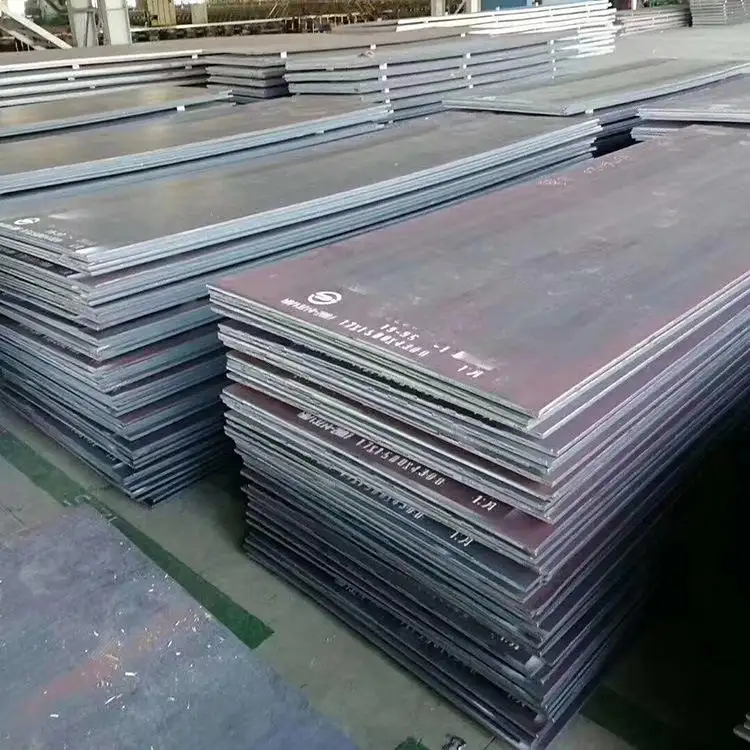
Key Carbon Steel Plate Grades for Railway Structural Integrity
ASTM A572, EN S355JR, and IS 2062 E350: Performance benchmarks for rolling stock and track infrastructure
Carbon steel plates following ASTM A572 Grade 50, EN S355JR, and IS 2062 E350 standards have become standard materials for railway construction work around the world because they strike just the right balance between strength, flexibility, and how well they can be welded together. These steels all meet a baseline requirement of at least 345-355 MPa yield strength, which means they hold up pretty well when subjected to things like bridges vibrating back and forth millions of times or dealing with massive pulling forces from trains that can exceed 200 kilonewtons. The EN S355JR variant stands out particularly when it comes to resisting rust and weather damage, something really important for parts sitting outside along tracks. Tests show these components lose less than 0.1 millimeter thickness per year even in damp conditions according to recent studies published by Infrastructure Materials Review last year. For Indian railways specifically, the IS 2062 E350 grade has proven valuable due to its ability to stretch without breaking, maintaining integrity despite temperature swings from freezing cold nights down south to scorching hot days across northern regions where temperatures hit up to 50 degrees Celsius. About 87% of freight wagons built after 2020 incorporate these standardized plates, and industry data indicates this approach cuts down on breakdowns caused by metal fatigue by roughly 42% compared with older methods that didn't follow strict specifications.
Why minimum yield strength 350 MPa and -20°C Charpy impact toughness are mandatory for carbon steel plate in rail applications
For structural carbon steel plates used in railway systems, there's no room for compromise when it comes to minimum yield strength of around 350 MPa and Charpy V-notch toughness at -20 degrees Celsius needing to be at least 27 joules. These specs matter because they stop the steel from permanently deforming under extreme stress conditions, including those heavy 300 tonne axle loads we see on tracks daily. And let's not forget about the cold weather impacts. Steel needs to withstand sudden shocks without breaking apart, which is why the sub zero impact resistance requirement exists. Why? Because brittle fractures cause problems in about 78 percent of rail accidents happening in colder climates according to NTSB data from last year. When trains hit emergency brakes, the forces at track joints can spike to triple what they're designed for. Plates that don't meet these standards start developing tiny cracks that spread incredibly fast, sometimes reaching speeds close to 15 meters per second. Welding processes also pose risks since heat treatment during welding can cut down the base material's toughness by nearly 30%. That makes having strong initial Charpy test results absolutely critical for parts where failure would be catastrophic, such as bogie frames or coupling mechanisms. All these specifications work together to keep fracture elongation rates above 18% throughout many years of repeated stress cycles, allowing rail infrastructure to last well over four decades before needing replacement.
Compliance Requirements Across Major Railway Standards
UIC 864-2 and AREMA Chapter 30: Ultrasonic testing, dimensional tolerances, and weldability mandates for carbon steel plate
Structural carbon steel plates used in rail infrastructure must meet specific standards across different regions. In Europe, compliance with UIC 864-2 is required, while North American projects follow AREMA Chapter 30 guidelines. These regulations demand thorough ultrasonic testing for thick section plates. The UT process has proven effective at finding nearly all subsurface issues, with studies showing it catches about 99.7% of problems according to ASTM E2375-2023 standards. Flatness matters too. The EN 10029:2021 standard sets strict limits on how much plates can deviate from flat, no more than 3 mm per meter. When it comes to welding properties, there's another important specification. Carbon equivalent values cannot exceed 0.45% to prevent cold cracking during welding operations. This becomes particularly crucial at stress points throughout the railway system such as track joints where trains frequently pass over or bridge girders supporting heavy loads.
BS EN 10025-2 vs. DIN 17100: Divergent tensile elongation and through-thickness (Z) property requirements for bogie and underframe carbon steel plate
Material specifications diverge meaningfully between European standards:
- BS EN 10025-2 permits 22% minimum tensile elongation for S355JR, supporting cost-effective manufacturing of bogie assemblies aligned with UIC performance baselines.
- DIN 17100 requires 24% minimum elongation plus Z25 certification—ensuring 25% reduction of area in through-thickness tensile testing—for underframe components.
The difference basically comes down to what each region considers most important for safety. Germans tend to focus on how materials hold up against repeated stress over time, something shown clearly in DB AG's research from last year on material fatigue. On the other side of the pond, British standards are all about making sure different components can work together seamlessly across systems. When it really matters for critical infrastructure projects, top manufacturers go with the DIN Z-property standard. This choice makes sense because tests by TÜV Rheinland show these certified plates cut the risk of layers coming apart by nearly two thirds compared to regular ones that haven't gone through certification.
Indian Railways—Specific Approvals and Technical Mandates
IRS: M-1985 (Rev. 2023) and Z35 certification: Why through-thickness ductility is non-negotiable for welded carbon steel plate underframes
The Indian Railways has put in place IRS: M-1985 (the 2023 version) for all structural carbon steel plates used in rolling stock, which requires Z35 certification. This basically means the material needs to show at least a 35% reduction in area when tested for through-thickness tensile strength. Why does this matter? Well, this kind of ductility helps stop something called lamellar tearing from happening in those welded underframe joints. These joints face pretty rough conditions, dealing with impacts ranging from 7 to 10 G-forces when trains couple together or go over uneven tracks. When materials don't meet these standards, tiny cracks start forming right at the weld points and can spread fast under constant stress. The Z35 standard makes sure that any metal will bend and deform before it breaks completely, giving inspectors a chance to spot problems during regular maintenance checks. Every batch of critical carbon steel plates gets checked using 100% ultrasonic testing, and anything that doesn't pass gets tossed out during audits. What was once considered just another technical detail is now front and center in safety discussions, influencing everything from how designs are made to what gets bought and how quality control works across the board.
FAQ
What are the key carbon steel plate grades used in railway construction?
The key grades include ASTM A572 Grade 50, EN S355JR, and IS 2062 E350, known for their balance of strength, flexibility, and weldability.
Why is yield strength crucial for railway applications?
Yield strength of around 350 MPa ensures the materials resist permanent deformation under extreme stress, crucial for railway tracks and infrastructure bearing heavy loads.
What is the significance of Charpy impact toughness for rail applications?
Charpy impact toughness at -20°C, must be at least 27 joules to ensure steel withstands shocks without breaking, crucial for preventing rail accidents in colder climates.
What standards must carbon steel plates comply with?
Standards like UIC 864-2 in Europe and AREMA Chapter 30 in North America demand ultrasonic testing and ensure plates meet dimensional tolerances and weldability mandates.