
 EN
EN

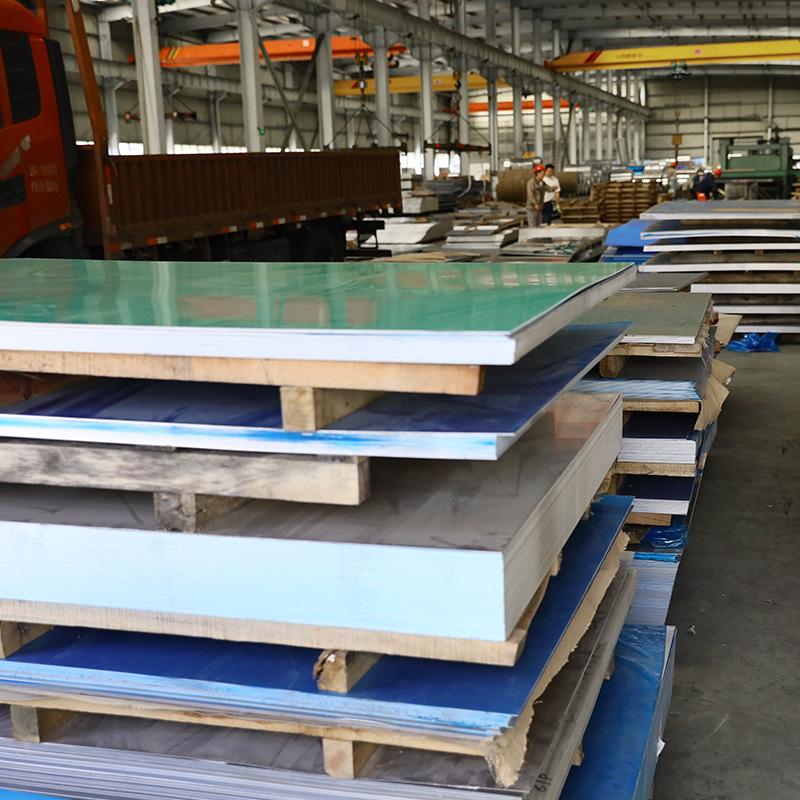
Bulk Supply Capabilities for Aluminum Sheet in Construction
Minimum Order Quantities, Lead Times, and Production Scalability from Tier-1 Aluminum Sheet Suppliers
Most top tier aluminum sheet suppliers require minimum order quantities around 20 metric tons when dealing with large construction projects. The usual wait time is somewhere between four to six weeks, but some manufacturers do offer speedier options taking about 15 days if ordered during off peak seasons when demand isn't so high. How well a supplier can ramp up production really comes down to their rolling mill setup. Those using continuous casting technology generally manage to boost output by about 30 percent compared to traditional batch processing methods. What matters most for big orders? Mills that have automated gauge control systems can keep thickness variations within plus or minus 0.1mm even on shipments over 500 tons. This kind of consistency makes all the difference for things like building facades and those intricate curtain wall installations where every millimeter counts.
Critical Certifications for Structural and Architectural Aluminum Sheet (ASTM B209, EN 485, ISO 9001)
Meeting ASTM B209 standards for mechanical properties and EN 485 specs regarding dimensional tolerances isn't just recommended but absolutely essential when working with load bearing aluminum sheets. The ISO 9001 certification really matters here because it shows proper statistical process control during alloy mixing. According to recent industry reports, certified mills actually show around 80 percent reduction in thickness variations according to third party audits. For buildings facing harsh conditions, architects are now specifying Class A anodizing under EN 12373 standards to combat corrosion over time. And don't forget those Mill Test Certificates (MTCs) that come with every shipment. These documents track everything back from the original melt batch all the way through to final delivery, ensuring complete transparency throughout the supply chain.
Pricing Dynamics and Cost Efficiency of Bulk Aluminum Sheet Procurement
How LME Futures, Alloy Premiums, and Rolling Mill Surcharges Influence Aluminum Sheet Wholesale Pricing
The London Metal Exchange (LME) basically sets the starting point for how much aluminum sheets cost, making up around two thirds of what people actually pay in the end. When it comes to specific alloys, there are these extra charges called premiums that can range anywhere from $50 to as high as $500 per tonne depending on what kind of material we're talking about. These really matter for things like structural grade 6061-T6. Then there are also those additional fees charged by rolling mills, usually between $200 and $400 per tonne, which cover all the energy needed plus other processing expenses. Because of this layered pricing system, wholesale prices tend to bounce around quite a bit when markets get shaky, sometimes changing by 15% to even 30% every quarter. Big buyers who order over 50 tonnes typically invest in some sort of automated tool to keep track of LME prices so they can jump in when prices dip down, saving themselves roughly 7% to 12% compared to just buying whatever is available at the moment.
Balancing Volume Discounts Against Inventory Holding Costs and Market Volatility Risk
Volume discounts of 8–15% apply to orders above 100 tonnes—but they introduce carrying costs averaging 18–25% annually for warehousing, insurance, and capital lockup. During the 2022 price correction, contractors holding excess aluminum inventory incurred $740k in unrealized losses (Ponemon Institute, 2023). Effective mitigation combines:
- Just-in-time delivery clauses in procurement contracts
- Futures-based hedging covering 40–60% of anticipated volume
- Tiered pricing agreements that preserve discount benefits without requiring fixed large-batch commitments
This balanced approach safeguards cost advantages while reducing exposure—especially critical for time-sensitive facade installations, where delayed shipments trigger penalties of $5,000/day.
Aluminum Sheet Applications in Construction: From Cladding to Load-Bearing Systems
Aluminum sheets have become really important in construction work because they combine good strength with low weight, resist rust pretty well, and can be shaped into almost any design needed. When used for building exteriors, these panels actually lighten the load on buildings by around two thirds compared to steel alternatives, plus they let architects create those cool curved walls and unusual shapes that stand out. On roofs, aluminum reflects sunlight naturally which helps buildings stay cooler during hot weather, cutting down on air conditioning costs somewhere between fifteen and twenty percent. Certain types of aluminum alloy, such as the popular 6061-T6 grade, are strong enough to handle serious stress at about 240 MPa or higher, making them suitable for things like bridge components and reinforcing old structures against earthquakes. Almost three quarters of all aluminum made over history is still being reused today somewhere, so this material plays a big role in helping the construction industry move toward more sustainable practices through recycling.
Real-World Deployment: Phased Bulk Supply of Anodized 5005-H34 Aluminum Sheet for The Edge (Amsterdam) Retrofit
The Edge building retrofit in Amsterdam stands as a prime example of what can be achieved with high quality aluminum materials. The project used phased deliveries of anodized 5005-H34 sheets to create its distinctive facade. This particular grade was selected because it resists corrosion even in harsh conditions (it meets the EN 485 standard) and maintains its color despite prolonged exposure to sunlight. The material held up exceptionally well during Amsterdam's typically damp weather conditions. Contractors got all 350 tons of material delivered across eight carefully timed shipments. This approach completely eliminated the need for storing materials at the site, reduced potential mishaps during handling by around 40%, and made it much easier to manage those complicated geometric panel installations. Looking back after three full years of operation, the people managing the project haven't seen any signs of weather related damage or corrosion, which speaks volumes about both how well the materials were specified and how smoothly the entire supply chain worked together.
Strategic Supplier Evaluation for Reliable Aluminum Sheet Delivery
Selecting the right aluminum sheet supplier demands rigorous evaluation—not just of capacity, but of resilience and transparency. Prioritize partners with documented ability to fulfill large-scale construction orders during peak demand cycles, backed by ISO 9001 certification and verified ASTM B209 compliance.
Assess logistics reliability using these key criteria:
| Assessment Criteria | Impact on Delivery Reliability |
|---|---|
| Production Buffer Capacity | Prevents delays during equipment failures |
| Multi-route Shipping Options | Mitigates regional transport disruptions |
| Real-time Inventory Tracking | Enables proactive shortage management |
When looking at suppliers, insist they offer automated shipment alerts along with clear communication channels. Those companies that have good tracking systems in place tend to cut down on scheduling surprises quite a bit. Another thing worth paying attention to is how resilient their raw material sources are. Suppliers who work with multiple smelters can handle price fluctuations much better when markets get shaky. Ask to see actual proof of past performance too something like 95 percent or better on time deliveries for similar bulk aluminum sheet orders would be ideal. And don't forget to check their financial standing. Companies sitting on healthy cash reserves usually respond far better during market downturns. Putting all these checks together creates a solid screening process that helps avoid expensive holdups while keeping critical production running smoothly even when things get tough.
FAQ
What are the minimum order quantities for aluminum sheets in construction?
Most tier-1 aluminum sheet suppliers require minimum order quantities of around 20 metric tons for large construction projects.
How do certifications like ASTM B209, EN 485, and ISO 9001 impact aluminum sheet usage?
These certifications ensure mechanical properties, dimensional tolerances, and proper process control during alloy mixing, which are critical for structural and load-bearing applications.
What factors influence aluminum sheet pricing?
Pricing is influenced by LME futures, alloy premiums, and rolling mill surcharges, which collectively determine wholesale pricing. Market conditions also cause price fluctuations.
How can volume discounts affect inventory costs?
Volume discounts apply to large orders but can lead to higher carrying costs for warehousing and insurance, necessitating strategies like just-in-time delivery to mitigate risks.