
 EN
EN

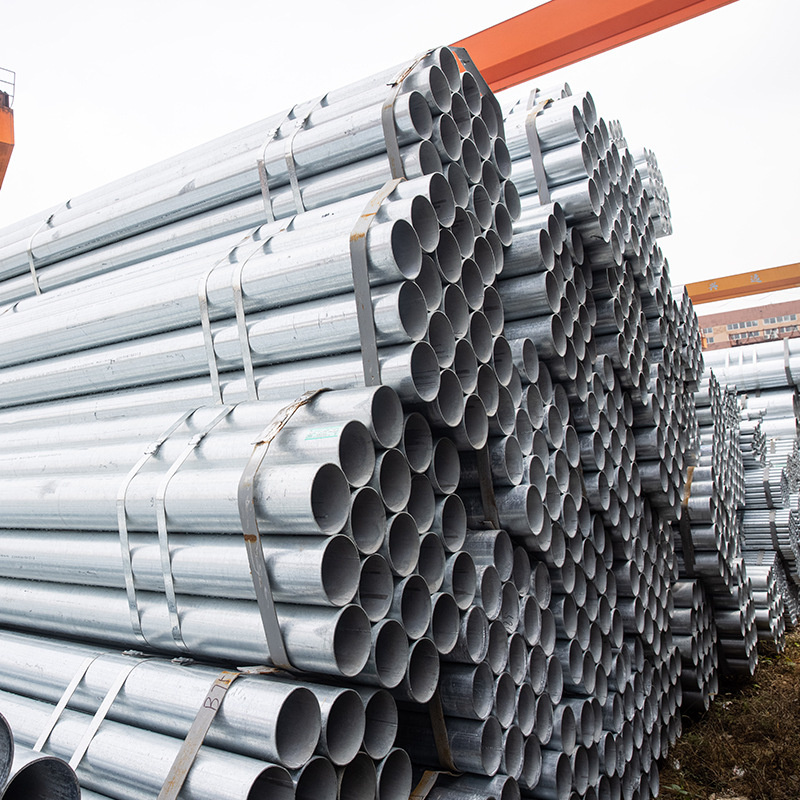
Global Standards for Galvanized Pipe in Potable Water Systems
Comparative Analysis of Key Standards: ASTM A53, BS 1387, EN 10240, JIS G3442, and IS 1239
There are five main standards that control how galvanized pipes are made for drinking water around the world, and each one reflects what engineers care about in different regions plus local environmental factors. In North America, the ASTM A53 standard covers both seamless and welded steel pipes coated with hot dipped zinc. It pays special attention to things like pressure ratings, how much they can deviate in size, and specifies Grade B steel which has about 60,000 psi tensile strength. The British standard BS 1387 looks at screwed and socketed systems instead. They test threads thoroughly and set limits on carbon content so welds stay strong. Moving across Europe, EN 10240 sets rules about how well zinc sticks to the pipe using bend tests as part of their evaluation process. They require at least 350 grams per square meter of zinc coating, although there are exceptions when other coating techniques like continuous zinc spray work better for specific jobs. Japan's JIS G3442 was created specifically for water service applications. This standard demands cleaner base steel materials like STK400 grade with 400 MPa tensile strength, and actually calls for less zinc than many others at just 230 grams per square meter because these pipes typically operate in controlled urban settings. India's IS 1239 takes a completely different approach due to the country's tropical climate and aggressive soils. It requires a much thicker coating averaging over 610 grams per square meter to fight off corrosion from all that moisture and salt in the air. All these differing standards mean engineers have to carefully check specifications whenever working on projects that cross borders.
Coating Thickness, Zinc Weight, and Base Steel Requirements Across Jurisdictions
The thickness of zinc coatings and the composition of base steel differ significantly between different standards, and these differences aren't just random details but actually reflect how materials need to perform in specific real-world conditions. Take coating thickness for instance it typically falls somewhere between 80 and 120 micrometers, but when we look at weight requirements, there's quite a gap between standards like JIS G3442 which calls for around 230 grams per square meter versus IS 1239 that demands nearly double that at 610 grams per square meter. These numbers tell us about the different risks each standard is trying to address regarding corrosion issues. When it comes to base steel specs, ASTM A53 Grade B gives good structural strength especially under pressure situations, whereas JIS G3442's STK400 focuses more on flexibility and consistent quality needed for those thin wall water pipes. The BS 1387 standard has specific limits on carbon equivalents because this matters a lot for things like threading and welding work during installation, which becomes really important when dealing with older systems. Thicker zinc coatings generally last longer in harsh environments, no doubt about that, but they can also make the material more brittle, something engineers need to watch out for in areas prone to earthquakes or where temperature changes happen frequently. So when selecting materials, professionals have to consider more than just meeting regulations they need to think about actual site conditions like water chemistry factors including pH levels, alkalinity, chloride content, soil resistance properties, and how water flows through the system itself rather than treating standards as simple checklists to tick off.
Certification and Compliance Pathways for Galvanized Pipe
Material Test Reports (MTRs), Third-Party Testing, and Conformity Assessment for Potable Use
Material Test Reports or MTRs are basically proof that galvanized pipes meet all the necessary standards when it comes to drinking water systems. These reports show what chemicals make up the material, how strong it is mechanically (like tensile strength and how much it can stretch before breaking), plus they measure the zinc coating thickness usually given in grams per square meter or micrometers against industry standards such as ASTM A53, EN 10240, and sometimes IS 1239 too. Third party labs run important tests on these pipes. They check how well they resist corrosion from salt spray according to ASTM B117 standards, test if the zinc sticks properly during bending, and verify if they can handle water pressure without bursting. Getting certified isn't just about passing lab tests though. Accredited organizations actually visit factories, look at their manufacturing processes, and randomly sample batches to make sure everything stays consistent over time. Why does all this matter? Because cities need documentation when buying pipes, and nobody wants problems down the road with failing infrastructure. That's why engineers always go for pipes with proper MTR certification for public water projects. When there's clear tracking and real testing behind each pipe, failures happen less often and nobody gets sued later on.
NSF/ANSI 61 and WHO Guidelines: Bridging Regulatory Approval with Real-World Safety
NSF/ANSI 61 certification is pretty much the gold standard when it comes to making sure our tap water stays safe across North America, and many places around the world are starting to follow suit too. The certification process looks at how galvanized pipes hold up over time through special tests that speed up what would normally take years of regular use. These tests check if harmful metals like zinc, lead, and cadmium seep into the water supply. Real world conditions matter a lot here. Think about all those factors pipes face daily: water that's either really acidic or alkaline, periods when water sits stagnant in the pipes, temperatures ranging from cold cellar temps to hot summer days, plus whatever cleaning chemicals might be lingering in the system. The World Health Organization actually backs this up with its own guidelines for safe drinking water. For instance, they set a limit of 3 mg/L for zinc mainly because it affects taste and clarity rather than being toxic per se. When companies get this certification, they're showing they care about actual performance in the field, not just passing some lab test where everything goes perfectly according to plan.
Galvanized Pipe Safety: Zinc Leaching and Water Chemistry Compatibility
Leaching Risks Under Critical Conditions: Low pH, High Chloride, and Stagnation
Zinc leaching from galvanized pipe becomes clinically significant—not merely detectable—under three interrelated water chemistry and operational conditions. Each accelerates coating degradation and elevates dissolved zinc concentrations beyond acceptable limits (e.g., WHO's 3 mg/L provisional guideline or national aesthetic thresholds of 1–2 mg/L):
- Low pH (acidic water): Below pH 6.5, hydrogen ions aggressively attack the zinc layer, dissolving protective oxides and increasing leaching rates up to fourfold compared to neutral water. This is especially prevalent in soft, low-alkalinity surface supplies.
- High chloride content: Chloride ions (>250 ppm) penetrate micro-defects in the zinc coating, enabling localized under-deposit corrosion and forming soluble zinc chloride complexes that sustain dissolution even after initial passivation.
- Stagnation: In low-flow or dead-end sections, corrosive species concentrate, oxygen depletes, and pH drops locally—creating ideal conditions for pitting. Documented cases show zinc levels exceeding 1,500 mg/L in stagnant residential lines—1,500– above safe thresholds—leading to metallic taste, white precipitates, and premature pipe failure.
These risks are neither theoretical nor rare: they drive utility-led replacement programs in aging networks with unbuffered source water or high-chloride groundwater sources. Mitigation requires integrated strategies—corrosion inhibitors, pH adjustment, flow management—not just material substitution.
Corrosion Performance and Service Life of Galvanized Pipe in Water Supply
Galvanized pipes generally last between 20 and 50 years in water supply systems though their lifespan depends heavily on conditions. The protective zinc layer usually measures around 80 to 120 micrometers thick or weighs approximately 350 to 610 grams per square meter based on standards and environmental exposure. This zinc acts as a shield against corrosion by wearing away first before reaching the actual steel underneath. Testing methods like ASTM B117 salt spray tests back up these claims showing that galvanized samples can resist rust for well over 2,000 hours whereas plain black steel starts to fail after just about 72 hours in similar conditions. However what happens in practice really comes down to several connected elements including:
- Water chemistry: Hard, alkaline water promotes protective calcium carbonate scale that insulates the pipe; conversely, soft, low-pH, or high-chloride water rapidly depletes zinc and initiates steel corrosion.
- Installation context: Buried pipes face electrolytic corrosion driven by soil resistivity, stray currents, and moisture gradients—often shortening service life by 30–50% versus above-ground or suspended installations.
- Hydraulic behavior: Stagnation zones accelerate localized pitting, while turbulent flow can erode protective deposits and expose fresh metal.
When the protective zinc coating starts to wear away, rust builds up inside the pipes, which makes them narrower over time. This narrowing causes higher resistance to water flow and increases how often leaks happen throughout the system. Most pipes that are older than 40 years tend to show serious problems with pressure stability, lots of those brownish deposits we call tubercles forming on their inner surfaces, plus tap water tests often reveal high concentrations of either zinc or iron particles. For municipalities looking to keep their systems running smoothly, combining regular replacements based on pipe age with ongoing checks of water chemistry parameters like pH levels, alkalinity readings, chloride content, and tracking the Langelier Saturation Index works best alongside using specialized equipment to detect hidden leaks through sound waves. This approach keeps infrastructure functioning properly while avoiding costly complete overhauls before necessary.
FAQ
What are the key standards for galvanized pipes used in potable water systems?
The key standards include ASTM A53, BS 1387, EN 10240, JIS G3442, and IS 1239 which reflect regional preferences and environmental considerations in pipe manufacturing for potable water systems.
Why do different standards require varying thicknesses of zinc coating?
The varying thicknesses are designed to address specific environmental risks and usage conditions, like corrosion resistance and local water chemistry factors.
What is the role of Material Test Reports (MTRs) in galvanized pipe compliance?
MTRs provide documentation that galvanized pipes meet required standards for mechanical and chemical properties, ensuring they are suitable for drinking water systems.
How do NSF/ANSI 61 and WHO guidelines ensure the safety of galvanized pipes?
These guidelines and certifications ensure that pipes do not leach harmful substances into the water supply, taking into account real-world conditions such as varying pH levels and water chemistry.
What conditions exacerbate zinc leaching in galvanized pipes?
Conditions such as low pH, high chloride content, and stagnation can accelerate zinc leaching, causing potential water quality issues.
Table of Contents
- Global Standards for Galvanized Pipe in Potable Water Systems
- Certification and Compliance Pathways for Galvanized Pipe
- Galvanized Pipe Safety: Zinc Leaching and Water Chemistry Compatibility
- Corrosion Performance and Service Life of Galvanized Pipe in Water Supply
-
FAQ
- What are the key standards for galvanized pipes used in potable water systems?
- Why do different standards require varying thicknesses of zinc coating?
- What is the role of Material Test Reports (MTRs) in galvanized pipe compliance?
- How do NSF/ANSI 61 and WHO guidelines ensure the safety of galvanized pipes?
- What conditions exacerbate zinc leaching in galvanized pipes?