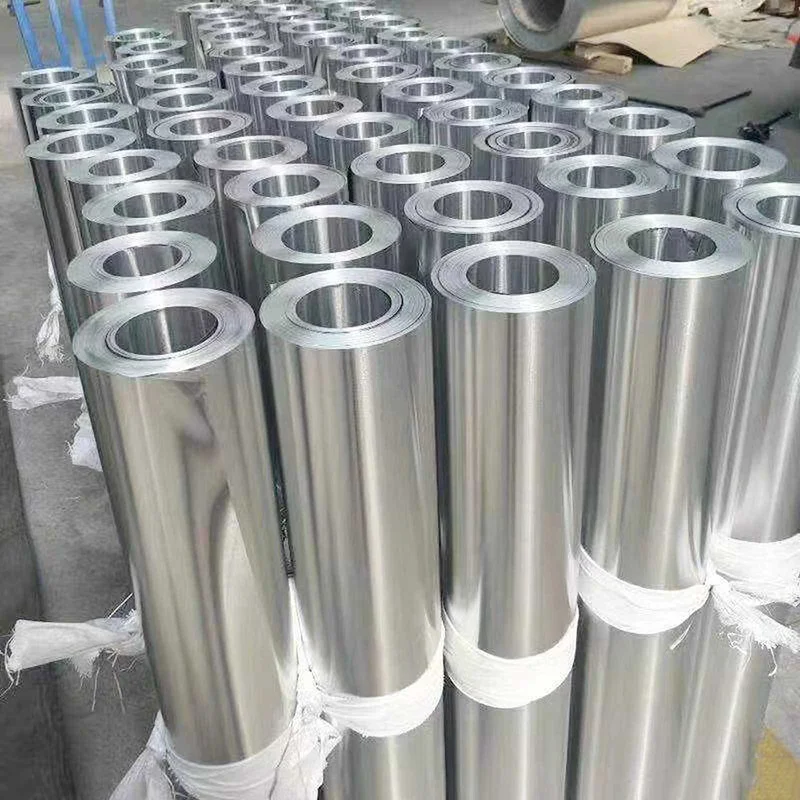

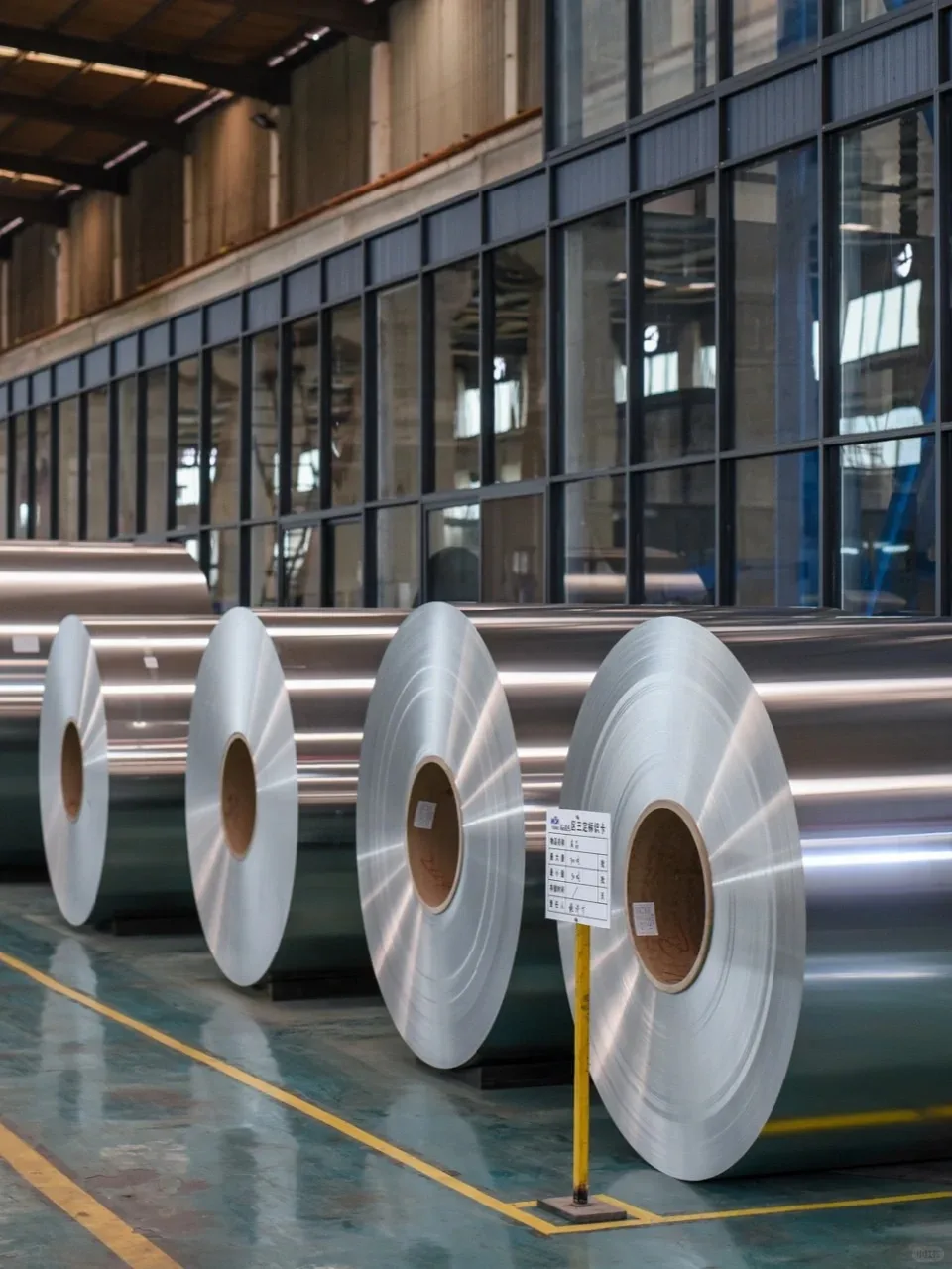
The aluminum coil is a highly engineered product that forms the backbone of mass production in many key industries. It is essentially a continuous sheet of aluminum, produced to exacting thickness tolerances and mechanical properties, then wound for efficient handling. The journey from molten aluminum to a finished coil involves sophisticated technology, including continuous casting, multi-stand hot rolling, and precision cold rolling, which refines the grain structure and imparts the desired surface finish and mechanical characteristics. Alloys are selected based on the end-use: the 1xxx series for high corrosion resistance and electrical conductivity, the 3xxx series for moderate strength and good formability (common in cookware and heat exchangers), and the 5xxx series for high strength and weldability, ideal for marine and structural applications. A major transformative process for aluminum coil is coil coating, where the metal strip undergoes continuous cleaning, chemical pre-treatment, and the application of primers and topcoats (e.g., polyester, PVDF, plastisol) before being recoiled. This pre-finished product is then supplied to fabricators who form it into building panels, garage doors, and appliance cabinets without the cost and environmental impact of post-painting. A case study could involve a premium appliance manufacturer who sources pre-painted aluminum coil in specific colors and textures to produce oven doors and refrigerator panels, ensuring a flawless, scratch-resistant finish that aligns with their brand's quality image. Beyond coated products, bare aluminum coils are vital for the transportation sector, used in the stamping of automotive body parts, truck trailer panels, and aerospace components, where weight savings are directly translated into operational efficiency. The packaging industry is a massive consumer, using ultra-thin, high-strength aluminum coils to manufacture beverage cans through a draw-and-iron process, creating a lightweight, robust, and infinitely recyclable container. Other applications include manufacturing lighting reflectors, nameplates, and decorative trim. Given the critical nature of material specifications in these high-performance applications, selecting the wrong type of coil can lead to production issues or product failure. Therefore, we strongly advise consulting with our technical experts before making a procurement decision. Please contact us with your application details, and we will provide you with comprehensive product information and support to ensure the aluminum coil you choose delivers optimal performance and value for your specific project.