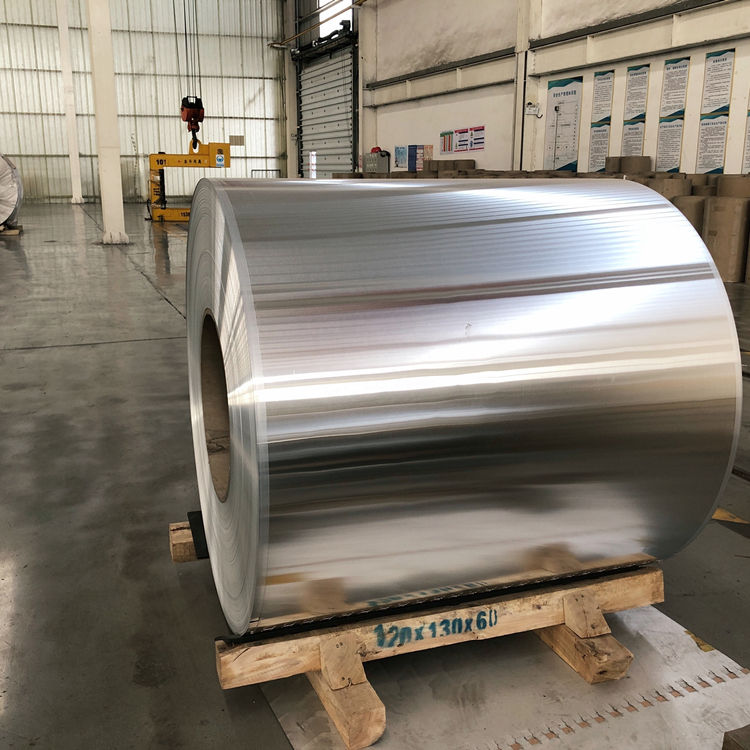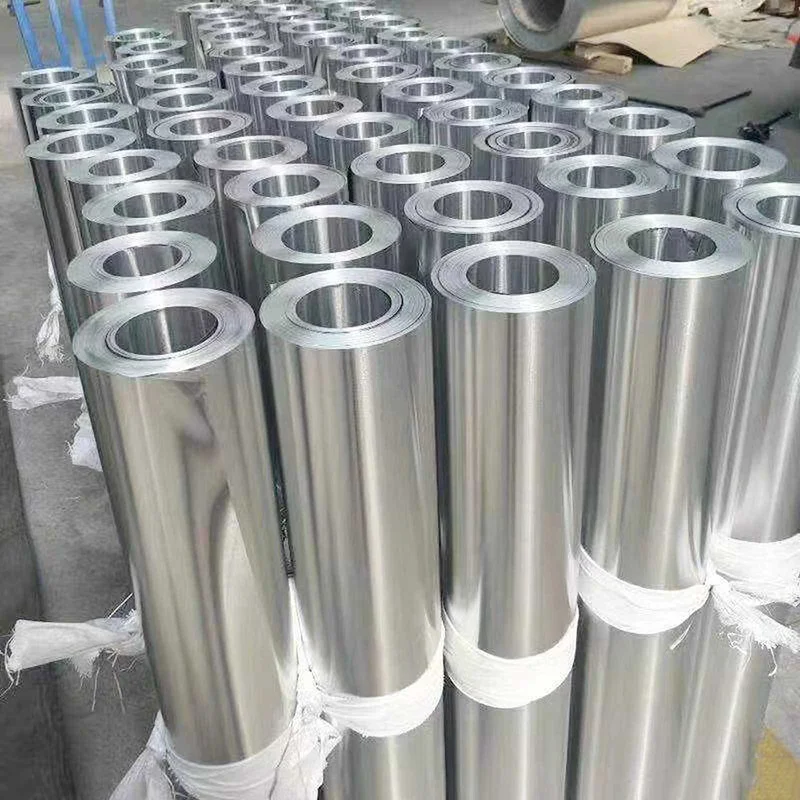

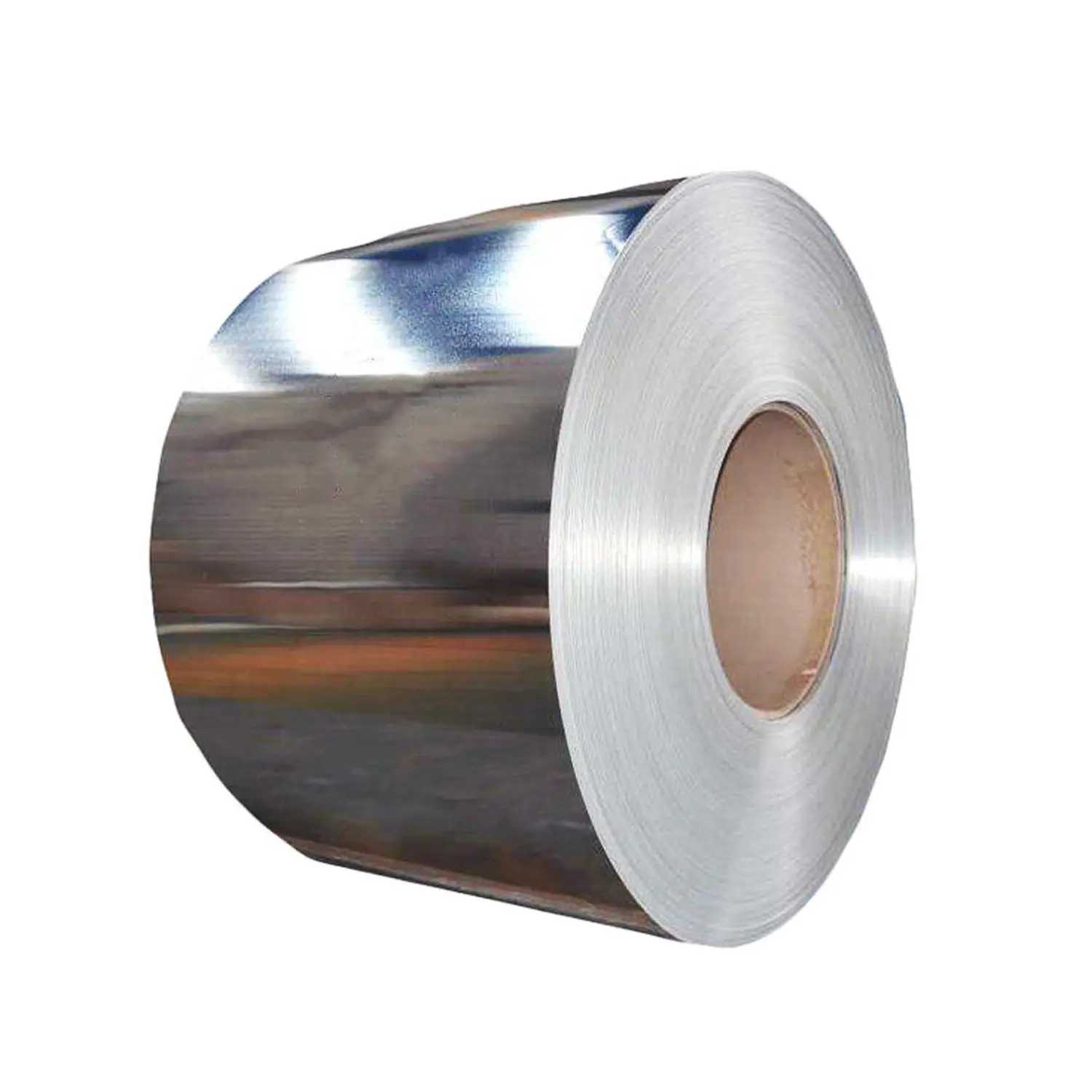
The term "aluminum coil" describes a continuous, rolled strip of aluminum that is supplied in a coiled form, a format that is essential for modern, automated production lines. This product is the result of a sophisticated industrial process that transforms cast aluminum slab into a thin, uniform sheet with tightly controlled properties. The cold rolling process is particularly crucial, as it not only reduces the thickness but also work-hardens the metal, allowing for a range of strengths and hardness levels to be achieved, classified under temper designations like O (annealed), H12, H14, up to H19 (full hard). The alloy composition is equally vital, with series such as 1000, 3000, and 5000 being among the most commonly used for general industrial applications. A flagship application for aluminum coil is in the construction of energy-efficient and durable buildings. Here, the coil is fed into roll-forming machines that produce long, seamless panels for roofing and wall cladding. The use of pre-painted coil is standard, as the factory-applied coating offers superior durability, color consistency, and environmental resistance compared to post-fabrication painting. Consider a large agricultural storage facility: its entire roof and walls could be constructed from profiles roll-formed on-site from corrosion-resistant aluminum coils, providing a long-lasting, low-maintenance solution that protects stored goods from the elements. Beyond construction, aluminum coils are fundamental in the automotive industry for the production of heat exchangers (radiators and condensers), where their thin fins are critical for efficient heat dissipation. The coils are also stamped into various automotive trim parts and, increasingly, into structural body panels to reduce vehicle weight. The packaging industry is another cornerstone, where specific aluminum alloys are rolled to extreme thinness and used to manufacture food and beverage cans, foil containers, and flexible packaging materials, offering an impermeable barrier that preserves product freshness. Furthermore, aluminum coils are used in the production of electronic enclosures, heat sinks, and lighting reflectors. The extensive range of available specifications means that professional guidance is often necessary to identify the most suitable product. We are ready to offer that guidance. For precise information on the aluminum coil grades, tempers, and finishes that align with your manufacturing process and performance requirements, please contact our sales and engineering team. We will provide you with detailed specifications and support to help you make an optimal material selection for your application.