
 EN
EN

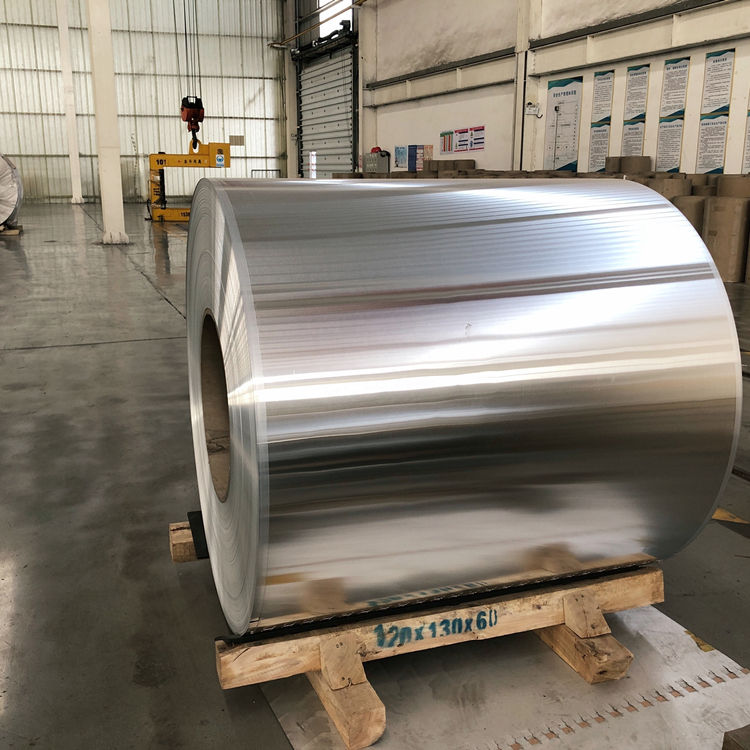
What Is Aluminum Coil and How Is It Made?
Definition and Basic Structure of Aluminum Coil
Aluminum coil basically refers to flat rolled metal that gets wound into a spiral shape, which makes it much easier to store and transport. Most aluminum coils contain between 90% and 99% pure aluminum mixed with other elements such as magnesium or silicon. The thickness can vary quite a bit too, usually somewhere between about 0.006 inches all the way up to 0.25 inches thick, and they come in widths going as wide as 72 inches across. What makes these coils so useful is how they bring together the best qualities of regular sheet metal with the space saving benefits of being rolled up. Many manufacturers find them particularly handy when working with applications where weight matters but still need something that can be shaped easily. Industry sources point out that rolling the material instead of keeping it flat actually helps maintain quality during handling and cuts down on warehouse space needed by roughly 40%, which obviously saves money for businesses dealing with large volumes.
Manufacturing Process: From Ingot to Finished Coil
The process starts when either recycled or new aluminum gets melted down into ingots. These ingots then go through heating at around 900 to 1,100 degrees Fahrenheit (about 482 to 593 Celsius) before being rolled hot. During this stage, the material loses anywhere from half to almost all of its original thickness as it goes through multiple passes in what's called a tandem mill. Afterward comes cold rolling, which allows manufacturers to get really specific about how thick the final product should be, sometimes within just a tenth of a thousandth of an inch. This not only makes surfaces smoother but also strengthens the metal itself. According to research published last year by the Aluminum Association, today's mills can roll out material at incredible speeds between 3,000 and 6,000 feet every minute. Cold rolled coils account for roughly two thirds of what industries need because they maintain such consistent dimensions throughout production runs.
Common Alloys and Tempers in Aluminum Coil Production
Four alloys dominate 78% of global coil output (PwC Metals Analysis 2024):
- 1100 (99% Al): Used in food packaging and electrical components for its corrosion resistance
- 3003 (Mn-added): Preferred for roofing and gutters due to 20% higher strength than pure aluminum
- 5052 (Mg-enriched): Marine-grade alloy with 35% better saltwater resistance
- 6061 (Mg/Si blend): Structural applications requiring tensile strengths up to 45 ksi
Tempers such as H14 (half-hard) or H32 (stable) are selected based on required hardness and formability, balancing workability with performance in end-use environments.
Key Properties and Advantages of Aluminum Coil
Lightweight and High Strength-to-Weight Ratio
Aluminum coils are really strong but weigh about 65% less than steel, which makes them super important for things like airplanes and cars. The way they combine strength with low weight helps keep structures solid without adding unnecessary bulk. This means better gas mileage for vehicles and the ability to carry more stuff too. When manufacturers swap out steel parts for aluminum ones, they often see weight reductions around 40 to 50 percent according to some recent research from Transportation Materials Review back in 2024. And guess what? Less weight equals fewer carbon emissions overall.
Corrosion Resistance and Durability
The natural oxide layer that forms on aluminum surfaces acts as built-in armor against rust and wear, working pretty well even when installed near saltwater or in areas with harsh chemicals. Tests conducted by third parties indicate that most aluminum coils still hold around 90-95% of their original strength after sitting outside for about 25 years, which beats what happens to regular steel left unprotected. This durability explains why so many builders choose aluminum for roof panels, boat parts, and factory machinery that gets regularly wet. Some manufacturers actually prefer it over other metals because they don't have to worry about replacing corroded components every few seasons.
Thermal and Electrical Conductivity
Aluminum coils conduct electricity about 60% as well as copper but weigh only a third as much, making them pretty good choices for things like heat exchangers and power transmission systems. These coils actually work really well at getting rid of excess heat from HVAC equipment, and many manufacturers have started using them instead of traditional materials for electrical busbars and wiring because they save money over time. Some recent tests looking at how these coils perform thermally show something interesting too - when used in heating applications, aluminum reduces energy losses by around 18% compared to what we see with steel options on the market today.
Recyclability and Environmental Benefits
Aluminum coils really work well for circular manufacturing since they keep all their original properties no matter how many times they get recycled. When we talk about reprocessing instead of making new aluminum from scratch, it takes about 95 percent less energy. That means fewer carbon emissions too something that adds up fast when looking at the numbers. For every ton of recycled aluminum, around 4.5 metric tons of CO2 just disappear from what would otherwise be emitted. Pretty impressive stuff. Most people don't realize that over three quarters of all aluminum ever made is still being used somewhere right now. Green building certifications like LEED actually factor this into their scoring systems because it matters so much for sustainability. Worldwide, recycling rates have hit over 70% these days, which keeps roughly 30 million tons out of landfills every single year. Makes sense why manufacturers are increasingly turning to recycled aluminum solutions.
Major Industrial Applications of Aluminum Coil
Aluminum coil’s versatility makes it indispensable across industries, with its properties tailored to meet specific performance demands. Below, we explore its most impactful uses backed by engineering data and industry benchmarks.
Construction and Building Materials
Aluminum coil finds its way into all sorts of construction applications these days. We see it in roofing sheets, wall cladding, and even structural panels throughout buildings. The fact that aluminum weighs so much less than steel makes a real difference too. Some studies suggest structures can actually cut down on load bearing needs by around 40 percent when switching from steel to aluminum according to Construction Materials Institute research back in 2023. Plus, aluminum doesn't corrode easily which means buildings last longer especially near coasts or in damp climates. Many architects now prefer specifying aluminum for their facades because of how energy efficient they are. When coated properly, these aluminum surfaces reflect sunlight away from buildings helping reduce air conditioning bills somewhere between 15 and maybe 20 percent overall.
Automotive and Transportation
Automakers rely on aluminum coils for lightweighting strategies, using them in hoods, doors, and battery enclosures. The material’s high strength-to-weight ratio improves EV battery range by 6–8% per 10% weight reduction (Automotive Engineering Report 2023). Heat-treatable alloys like 6016-T4 are standard for crash-resistant body panels, reducing vehicle mass without compromising safety.
Packaging Solutions
In the packaging world, manufacturers rely on aluminum coils for their amazing ability to keep things sealed tight. These thin sheets, usually between 0.006 and 0.2 millimeters thick, do a great job at stopping harmful UV rays and keeping oxygen out of products. This means foods last 3 to 5 times longer than when packaged in plastic options. Most modern beverage cans actually contain recycled aluminum these days, with around 70% made from previously used materials according to recent data from the Packaging Sustainability Index 2024 report. The switch to recycled content cuts down on energy consumption during production by nearly 95%, which is pretty impressive when we think about how much energy goes into making new aluminum from scratch.
Electrical and HVAC Systems
When it comes to electrical work, aluminum coils actually beat out copper when we're talking about cost effectiveness for power transmission lines. They carry roughly 1.5 times more current for the same weight compared to copper, which makes them pretty attractive from a budget standpoint. Looking at HVAC systems now, those coiled aluminum fins are doing some serious business with heat transfer efficiency rates between 92% and 95%. That's because aluminum has this thermal conductivity rating of around 235 W/m K. And things have gotten even better lately with improvements in hydrophilic coatings. These new coatings help get rid of moisture much faster, which means commercial cooling systems aren't guzzling as much energy anymore. We're seeing reductions in energy usage somewhere between 12% and 18%, depending on the setup and conditions.
This section offers practical guidance for four major industry sectors, blending performance numbers with environmental considerations to help make smart material choices. Real world data from sources like the recent Automotive Engineering findings backs up these points, making sure we're talking about real benefits when discussing things like aluminum coil applications. Thermal conductivity remains a key factor in many manufacturing decisions, alongside those important barrier properties that protect against corrosion and wear. Looking at actual figures makes all the difference too - some processes show around 40% less weight compared to alternatives, while others cut energy needs by nearly 95%. These kinds of improvements matter across different applications where efficiency counts.
How to Select the Right Aluminum Coil for Your Project
Matching Alloy and Temper to Application Needs
Selecting the optimal aluminum coil starts with matching alloy and temper to application requirements. For structural components needing high strength-to-weight ratios, 6000-series alloys like 6061-T6 provide 35–42 ksi yield strength (Aluminum Association 2023). Marine environments benefit from 5052-H32 coils, which resist saltwater corrosion 20% longer than standard grades according to NACE testing. The 2024 Aluminum Alloy Selection Guide explains how tempers like H14 (work-hardened) suit forming processes, while T4 tempers are best for post-production heat treatment. Always align your project’s mechanical, thermal, and environmental demands with alloy specifications before ordering.
Evaluating Thickness, Width, and Tolerance
Precision in dimensional specs prevents costly rework:
- HVAC systems use 0.016"–0.024" coils for optimal heat transfer
- Architectural roofing requires 0.032"–0.040" thickness for wind uplift resistance
- Electrical applications demand ±0.001" flatness tolerances (ASTM B479)
Confirm coil width compatibility with your processing equipment—while a 60" slitter can handle up to 72" master coils, allow 0.5" for edge trimming.
Supplier Qualifications and Quality Certifications
Prioritize suppliers with ISO 9001:2015 certification and Nadcap-approved mills for aerospace projects. The Aluminum Supplier Evaluation Framework recommends verifying:
- Mill test reports (MTRs) with traceable heat numbers
- AS9100 compliance for defense contracts
- Cradle-to-Cradle sustainability certification
Reputable suppliers provide third-party material certifications and offer 25-year corrosion warranties on coated products.
Cost Considerations and Long-Term Value
While 1100-grade coils cost 18% less than 3003 alloys, their lower corrosion resistance leads to 40–60% higher replacement costs in outdoor installations (Metal Construction Association 2024). Bulk purchases (50+ tons) reduce material costs by 12–15%, though split shipments help maintain supply flexibility. Powder-coated coils add $0.35–$0.55/sq ft upfront but extend service life to 35+ years in coastal areas, delivering a 3–4x return on investment over uncoated options.
FAQ
- What are the primary uses of aluminum coil? Aluminum coil is used in construction for roofing and wall cladding, automotive for hoods and doors, packaging due to its sealing properties, and electrical/HVAC for power transmission and heat exchangers.
- How does aluminum coil enhance durability? Aluminum coils have an oxide layer that prevents rust and wear, ensuring durability in harsh environments, such as near saltwater.
- Can aluminum coils be recycled? Yes, aluminum coils are highly recyclable and retain their properties even after multiple cycles, significantly reducing energy consumption and emissions.
- What factors should be considered when selecting aluminum coil? Consider the alloy and temper specific to the application, required thickness and tolerance, supplier certifications, and cost-effectiveness for long-term benefits.
- How does aluminum coil contribute to environmental sustainability? Aluminum recycling saves 95% of energy compared to new production, significantly reducing CO2 emissions, and is widely used in green building practices.
Table of Contents
- What Is Aluminum Coil and How Is It Made?
- Key Properties and Advantages of Aluminum Coil
-
Major Industrial Applications of Aluminum Coil
- Construction and Building Materials
- Automotive and Transportation
- Packaging Solutions
- Electrical and HVAC Systems
- How to Select the Right Aluminum Coil for Your Project
- Matching Alloy and Temper to Application Needs
- Evaluating Thickness, Width, and Tolerance
- Supplier Qualifications and Quality Certifications
- Cost Considerations and Long-Term Value
- FAQ