
 EN
EN

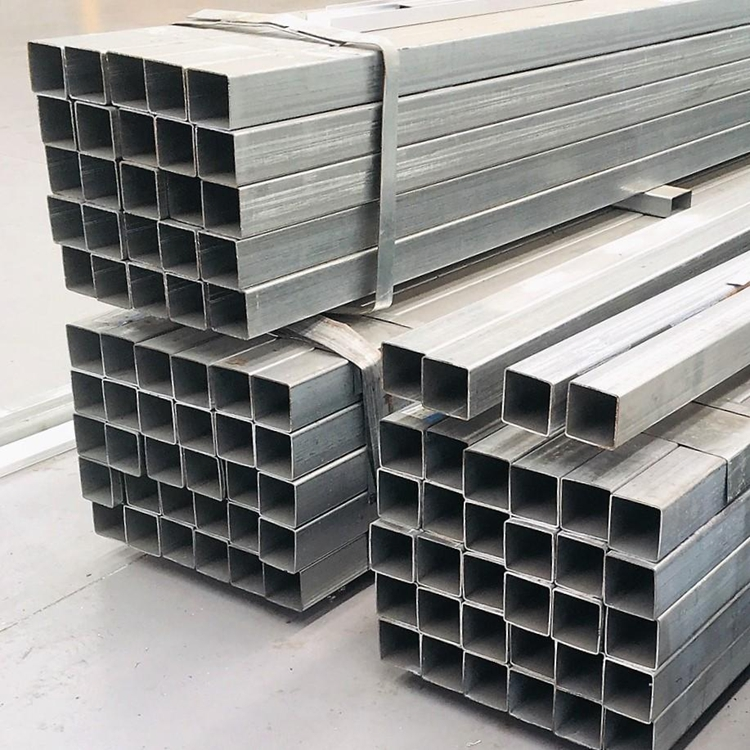
What Is a Square Tube? Understanding Material and Structural Properties
Definition and Key Dimensions of Square Tube
Square tubes are basically metal shapes that have four sides of equal length and consistent wall thickness throughout. They come in standard sizes ranging anywhere between 1 by 1 inch up to 4 by 4 inch dimensions. The walls can be measured either through gauge numbers like 16 or 14 gauge or just given as decimal measurements in inches. The actual size and thickness really matters when considering how strong something will be versus how much it weighs. Take the common 2x2 inch square tube with a wall thickness around 0.125 inch for example. This particular size works great because it holds up pretty well under weight but still remains light enough to handle without too much trouble. People often use this size for things like building handrails, constructing shelves, or creating lightweight support structures where strength meets practicality.
Common Materials Used in Square Tube Manufacturing
Square tubes are manufactured from materials chosen for strength, cost, and environmental resilience:
- Carbon Steel: Offers high strength at low cost but requires protective finishes like paint or powder coating to resist rust.
- Aluminum: Lightweight and naturally corrosion-resistant, ideal for marine environments or applications where reducing weight is critical.
- Stainless Steel: Delivers excellent durability in harsh conditions—such as chemical processing plants—though at a higher price point.
- Galvanized Steel: Coated with zinc for long-term rust protection, widely used in outdoor construction and infrastructure projects.
Material selection should align with exposure conditions, budget, and structural needs.
Mechanical Properties: Strength, Weight, and Durability
Square tubes provide up to 40% weight savings over solid bars while maintaining comparable strength due to their efficient hollow design. Key performance factors include:
- Tensile Strength: Carbon steel typically ranges from 50–60 ksi; aluminum alloys like 6061-T6 offer 35–45 ksi with better strength-to-weight performance.
- Wall Thickness: Increasing from 0.125 to 0.25 inch can boost load capacity by approximately 30% in the same outer dimension.
- Corrosion Resistance: Stainless steel and aluminum significantly outperform uncoated carbon steel in wet or corrosive environments, potentially extending service life by 15–20 years.
These properties allow engineers to tailor material and section choices to specific performance, environmental, and economic requirements.
Key Applications of Square Tube Across Industries
Construction and Structural Frameworks
Square tubes have become really popular in construction work because they offer great strength while not weighing too much, plus they handle twisting forces pretty well. When builders need steel options, sizes like 2 by 2 inches or 3 by 3 inches show up all over the place in things like roof trusses, support columns for buildings, and those modular structures that can be put together quickly. The fact that these tubes maintain such regular shapes makes them easier to line up and attach whether someone is welding or bolting connections together. For areas near the coast or places where humidity is always an issue, many contractors now go with aluminum or galvanized steel versions since they last longer without compromising how strong the structure remains. We see this especially in prefabricated building systems where square tubing allows for fast assembly time after time again, which saves money and headaches on job sites.
Manufacturing and Machinery Support Systems
Square tubes play a big role in building sturdy frames for all sorts of industrial gear from machines to conveyor belts and even robotic work cells. The flat sides on these tubes actually make it much simpler to attach other parts compared to round tubing options. Most shops stick with standard sizes such as those 1.5 inch profiles because they just work better for regular production runs. When things need extra stiffness or can handle higher temperatures, carbon steel becomes the go-to material. And interestingly enough, manufacturers often adjust wall thicknesses along different parts of the same system. Thicker walls where needed for strength, thinner elsewhere to save weight without sacrificing structural integrity.
Transportation and Automotive Use Cases
Square tubing finds widespread application across the transportation industry from trailer frames to roll cages and even in the protective casings for electric vehicle batteries. The consistent shape of these tubes allows engineers to predict how forces will spread throughout structures, which ultimately leads to better crash protection and higher safety scores for vehicles. When manufacturers switch from steel to aluminum square tubing in aircraft and boats, they typically see around a 30 percent weight reduction. This makes a big difference in terms of fuel consumption and what cargo can be carried, all while maintaining the necessary strength characteristics that keep vehicles structurally sound during operation.
How to Select the Right Square Tube for Your Project
Matching Size and Wall Thickness to Load Requirements
When planning a construction project, it's important to first assess what kind of weight and pressure the structure needs to handle. For really tough jobs such as building industrial storage racks or supporting heavy machinery, going with something like 11 gauge steel makes sense because these thicker materials can take on serious stress. On the flip side, lighter stuff like decorative elements or support structures that don't carry much weight often work fine with 16 gauge tubing. Looking at how strong different materials are when they bend or deform helps determine their suitability too. Take stainless steel rated at around 30,000 pounds per square inch yield strength for instance it tends to hold up better during vibrations compared to regular mild steel options. And remember when designing upright supports, always specify tubes with at least 0.125 inches of wall thickness since thinner walls tend to buckle easily when compressed over time.
Evaluating Corrosion Resistance and Environmental Factors
What materials we choose often depends on what kind of environment they'll face. When dealing with places that are wet, salty, or full of harsh chemicals, galvanized steel, aluminum, or grade 316 stainless steel tend to work best. These materials hold up much better against corrosion and pitting problems compared to regular 304 stainless in coastal areas. Inside buildings where conditions aren't so tough, powder coated carbon steel usually does the trick at a reasonable cost. And if something needs to last outdoors for decades without constant maintenance, hot dip galvanizing is still the gold standard. The process meets ASTM A123 requirements and has proven itself time after time, standing up to brutal weather conditions for over half a century in many real world applications.
Cost vs. Performance: Balancing Budget and Quality
| Factor | Budget-Friendly Option | Premium Solution |
|---|---|---|
| Material Cost | Mild steel ($3.20/lb) | Stainless steel ($6.80/lb) |
| Lifespan | 10–15 years (indoor) | 30+ years (outdoor) |
| Fabrication Ease | Simple welding/cutting | Requires specialized tools |
Choose galvanized steel when stiffness is more important than weight reduction. For short-term or temporary structures, recycled steel can cut material costs by 18–22% without sacrificing necessary strength. Always weigh upfront cost against lifecycle value, especially in exposed or high-maintenance environments.
FAQ
What are the typical sizes available for square tubes?
Square tubes typically come in sizes ranging from 1 by 1 inch to 4 by 4 inch. Thickness may vary, usually measured in gauge numbers or decimal inches.
Why do different industries opt for aluminum square tubing?
Aluminum square tubing is preferred for its lightweight and corrosion-resistant properties, making it ideal for marine environments and applications where weight reduction is critical.
Which factors should be considered while selecting the right material for square tubing?
Consideration should be given to exposure conditions, budget constraints, structural needs, and environmental factors like corrosion resistance.
How does wall thickness impact the strength of square tubes?
Increasing wall thickness enhances load capacity and overall strength. A change from 0.125 to 0.25 inch thickness can notably boost strength.
What is the significance of corrosion resistance in square tubing materials?
Corrosion resistance extends the service life of the material, especially in wet or corrosive environments.
Table of Contents
- What Is a Square Tube? Understanding Material and Structural Properties
- Key Applications of Square Tube Across Industries
- How to Select the Right Square Tube for Your Project
-
FAQ
- What are the typical sizes available for square tubes?
- Why do different industries opt for aluminum square tubing?
- Which factors should be considered while selecting the right material for square tubing?
- How does wall thickness impact the strength of square tubes?
- What is the significance of corrosion resistance in square tubing materials?