
 EN
EN

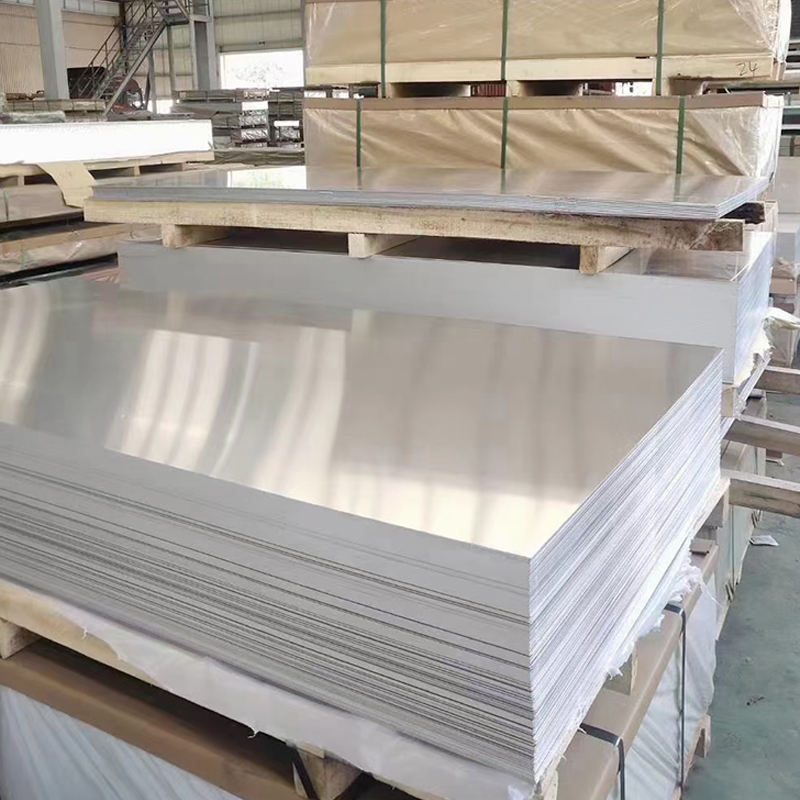
Aluminum Sheet Thickness in Automotive Applications: Key Measurement Standards
Car manufacturers depend heavily on standard measurement protocols when producing aluminum sheets for vehicle construction. Two key benchmarks come into play here: ASTM B209 from the American Society for Testing and Materials, along with the international ISO 7599 standard. These guidelines set acceptable thickness variations, typically around plus or minus 0.03 millimeters for most automotive applications. Why does this matter? Well, sticking to these specs helps keep body panels strong enough to withstand the rigors of stamping machines and welding equipment without adding unnecessary bulk to the final product. Take front hoods as a case in point. Many automakers specify 1.2 mm thick aluminum sheets that meet these standards because they offer good protection against dents while still being flexible enough to shape into complex curves during manufacturing.
Gauge and Thickness of Sheet Metal: Converting Between Systems
The gauge system remains widely used in North America, though its non-linear scale often causes confusion. Lower gauge numbers indicate thicker sheets, with automotive aluminum typically falling between 12 gauge (2.5 mm) and 18 gauge (1.0 mm). Use this conversion table for common automotive thicknesses:
| Gauge | Thickness (mm) | Typical Application |
|---|---|---|
| 18 | 1.0 | Interior trim, trunk liners |
| 16 | 1.3 | Door panels, fenders |
| 14 | 1.8 | Structural reinforcements |
| 12 | 2.5 | Crash beams, frame rails |
European manufacturers increasingly use direct metric measurements to eliminate conversion errors in global supply chains.
Typical Thickness Range for Automotive Aluminum Sheets (0.6–2.5 mm)
These days, cars are built using aluminum sheets ranging from around 0.6 mm thick for things like heat shields all the way up to 2.5 mm for parts that need to absorb impacts during crashes. According to research published last year on making cars lighter, most body panels today are made from aluminum between 1.0 and 1.5 mm thick. This has helped cut down car weights by somewhere between 18% and 24% when compared against similar steel parts. For thicker stuff measuring 2.0 to 2.5 mm, manufacturers tend to put them in EV battery casings. These heavier gauge materials protect batteries from damage while still allowing enough space for good battery performance inside those tight compartments.
How Thickness Impacts Performance: Strength, Weight, and Safety
Material strength and formability in aluminum alloys: Balancing performance needs
When it comes to car manufacturing, engineers really focus on how thick aluminum sheets should be. They want to get that sweet spot between making parts strong enough but not so heavy they hurt fuel efficiency. The thing about aluminum is that when sheets are thicker, they can handle more stress before bending permanently, but this makes them harder to shape into complicated forms. Take AA6111 alloy as an example many shops use today. It gives around 150 to 200 MPa of strength, which works well for most car body parts. What's nice about this material is it still bends nicely during stamping processes despite being relatively strong. Manufacturers love finding materials that strike this kind of balance because it means better cars without breaking the bank on production costs.
Impact of thickness on performance: Stiffness, weight, and crashworthiness
Thicker aluminum sheets improve panel stiffness by 30–50% per 0.5 mm increase but add 1.2–1.8 kg/m² to vehicle weight. Crash simulations show 1.2 mm aluminum absorbs 15% more energy than 0.8 mm equivalents in 35 mph impacts. Manufacturers use tapered thickness profiles, combining 1.5 mm crash beams with 0.9 mm outer panels to optimize safety and efficiency.
Formability of aluminum sheets in complex body panel designs
Modern automotive designs like curved fender flares require aluminum sheets with 20–30% elongation capabilities. Thinner gauges (0.6–1.0 mm) enable deep-draw forming for intricate features, while thicker sheets (1.2–1.5 mm) maintain dimensional stability in flat roof panels. Advanced tempering processes allow 6000-series alloys to achieve 8–12 mm draw depths without cracking.
Strength of aluminum sheets vs. steel: Panel thickness trade-offs
To get similar structural strength as steel, aluminum body panels need about 1.5 to 2 times the thickness. For instance, an aluminum door inner panel that's 1.2 mm thick can take the place of a 0.7 mm steel panel, cutting weight by around 40%. The 2024 Automotive Materials Research study shows that even with these thicker aluminum parts, vehicles end up 25 to 30% lighter than if they were made entirely of steel. This makes a real difference for electric vehicles since lighter cars go farther on a single charge and meet emission standards much easier. Manufacturers are finding this tradeoff between material properties and environmental benefits increasingly attractive as they design for the future.
Common Aluminum Alloys in Automotive Manufacturing: 5xxx, 6xxx, and 7xxx Series
Aluminum Grades for Automotive Applications: Overview of 5xxx, 6xxx, and 7xxx Series
Automakers use three primary aluminum series for sheet metal applications: 5xxx (magnesium-based), 6xxx (magnesium-silicon), and 7xxx (zinc-magnesium). Each series offers distinct advantages in strength-to-weight ratios, with 6xxx alloys dominating 68% of modern automotive aluminum applications due to their balanced properties.
5000 Series Alloys: Uses in Non-Heat-Treated Structural Components
The 5xxx series excels in corrosion resistance, making it ideal for underbody shields and structural reinforcements. Containing 2.2–5.5% magnesium, these non-heat-treatable alloys maintain strength in harsh environments while allowing easy forming of complex shapes.
6000 Series Alloys: Dominance in Heat-Treatable Body Panels
6xxx alloys like 6061 and 6016 account for 75% of automotive exterior panels. Their heat-treatable nature enables T4 temper sheets to achieve 180–240 MPa yield strength after forming and painting, perfect for hoods and doors requiring both dent resistance and lightweight design.
Use of 6061 Aluminum Sheet in Automotive Parts: Benefits and Limitations
While 6061 aluminum sheet offers excellent weldability and 30% lighter weight than steel equivalents, its reduced formability limits use to flatter panels. Recent advancements in tailor-rolled blank technology have expanded its applications to A-pillars and roof rails.
Emerging Use of 7xxx Series Aluminum in Automotive Panels for High Strength
7xxx alloys like 7075 provide strength comparable to advanced steels (550 MPa tensile strength) at 40% weight reduction. Though challenging to form cold, new warm-forming techniques enable their use in bumper systems and electric vehicle battery enclosures requiring crashworthiness.
Corrosion Resistance and Weldability Differences Between Alloy Series
The 5xxx series demonstrates superior saltwater corrosion resistance (0.02 mm/year loss vs. 0.08 mm/year for 7xxx), while 6xxx alloys offer the best weld joint efficiency (92% of base metal strength). Zinc-rich 7xxx alloys require specialized filler metals to prevent stress corrosion cracking in welded joints.
Recommended Aluminum Sheet Thickness by Vehicle Component
Common aluminum sheet thicknesses for car body panels (1.0–1.5 mm)
Most car manufacturers go with aluminum sheets between 1.0 and 1.5 mm thick when making exterior body parts because it strikes a good balance between strength and keeping the vehicle lightweight. At these thickness levels, the metal can still be shaped into all those complicated designs needed for modern cars, but it also stands up better to dents. And this matters a lot since nearly two thirds of people put door panel durability right at the top of their quality checklist according to that J.D. Power survey from last year. Looking at numbers from the International Aluminum Institute shows another benefit too: vehicles using these aluminum panels end up about 12 to 18 percent lighter than if they used steel instead, which is pretty impressive given how important safety remains in today's market.
Hood, roof, and door panels: Thickness selection based on formability and rigidity
| Component | Thickness Range | Key Consideration |
|---|---|---|
| Hood panels | 1.2–1.5 mm | Pedestrian impact compliance |
| Roof structures | 1.0–1.2 mm | Buckling resistance & snow load |
| Door skins | 0.9–1.1 mm | Side-impact energy absorption |
Manufacturers often use graduated thicknesses within single panels—Tesla's Cybertruck doors employ 1.8 mm aluminum at hinge points tapering to 1.0 mm at the window line. This approach optimizes weight distribution while meeting Federal Motor Vehicle Safety Standard 214 side-impact requirements.
Structural reinforcements: Thicker gauges (1.8–2.5 mm) for crash zones
Safety critical parts such as bumper reinforcements and those supporting pillars need aluminum sheets around 1.8 to 2.5 mm thick for effective crash energy management. Take Porsche's Taycan for instance they actually employ 2.3 mm thick 6xxx series aluminum in their battery protection structure. According to research published by SAE (reference number 2022-01-0345), this setup absorbs about 40 percent more energy compared to regular steel designs. The thicker aluminum sheets keep the material strong enough with yield strengths over 200 MPa when things get deformed in accidents. Plus, they manage to cut down on weight significantly, coming in at 28 to 35 percent lighter than what would be needed if steel was used instead.
FAQ
What are the standard measurement protocols for aluminum sheets in automotive applications?
Car manufacturers rely on ASTM B209 and ISO 7599 standards to ensure the acceptable thickness variations of aluminum sheets used in vehicle construction.
How does the gauge system work in measuring aluminum sheet thickness?
The gauge system is a non-linear scale where lower numbers indicate thicker sheets. In automotive aluminum, the typical range is from 12 gauge (2.5 mm) to 18 gauge (1.0 mm).
What is the typical thickness range for aluminum sheets used in cars?
Aluminum sheets in automotive applications typically range from 0.6 mm to 2.5 mm, depending on the part's functional requirements.
What alloy series are commonly used in automotive aluminum applications?
The 5xxx, 6xxx, and 7xxx series are commonly used, each offering unique advantages. The 6xxx series is particularly favored for its balance of properties.
How do aluminum sheets compare to steel in terms of performance?
Aluminum sheets offer the advantage of reduced weight, achieving similar structural strength to steel with increased thickness, leading to lighter vehicles.
Table of Contents
- Aluminum Sheet Thickness in Automotive Applications: Key Measurement Standards
- Gauge and Thickness of Sheet Metal: Converting Between Systems
- Typical Thickness Range for Automotive Aluminum Sheets (0.6–2.5 mm)
- How Thickness Impacts Performance: Strength, Weight, and Safety
-
Common Aluminum Alloys in Automotive Manufacturing: 5xxx, 6xxx, and 7xxx Series
- Aluminum Grades for Automotive Applications: Overview of 5xxx, 6xxx, and 7xxx Series
- 5000 Series Alloys: Uses in Non-Heat-Treated Structural Components
- 6000 Series Alloys: Dominance in Heat-Treatable Body Panels
- Use of 6061 Aluminum Sheet in Automotive Parts: Benefits and Limitations
- Emerging Use of 7xxx Series Aluminum in Automotive Panels for High Strength
- Corrosion Resistance and Weldability Differences Between Alloy Series
- Recommended Aluminum Sheet Thickness by Vehicle Component
- Common aluminum sheet thicknesses for car body panels (1.0–1.5 mm)
- Hood, roof, and door panels: Thickness selection based on formability and rigidity
- Structural reinforcements: Thicker gauges (1.8–2.5 mm) for crash zones
- FAQ