
 EN
EN

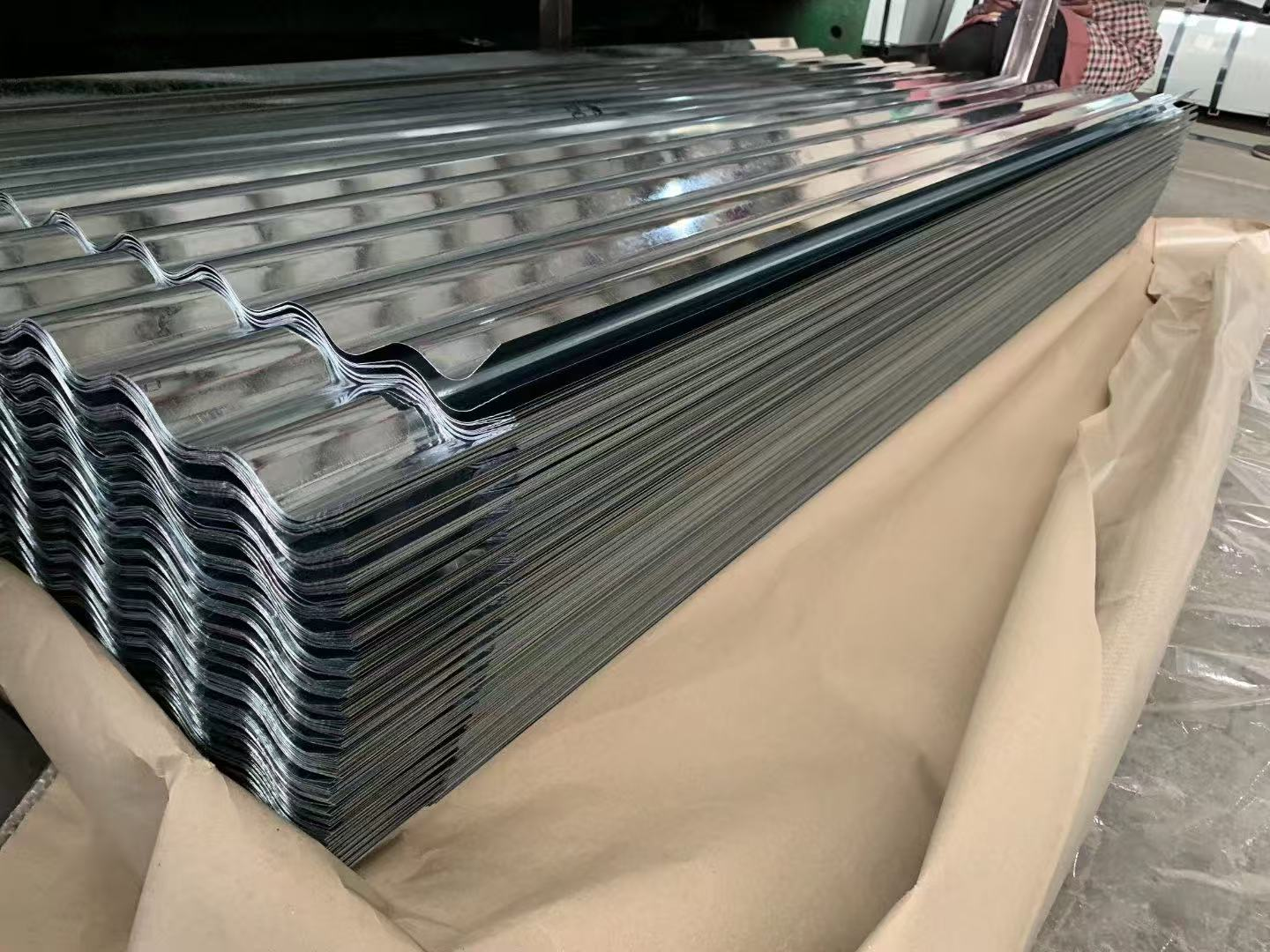
Exceptional Strength and Durability Under Load
How Corrugation Enhances Structural Integrity and Load Distribution
Corrugated steel plates with their ridged profiles boost structural performance, enhancing bending resistance significantly compared to regular flat steel panels. The design allows thinner steel to manage weight distribution more efficiently, benefiting structures like bridges, retaining walls, and factory floors by minimizing cracks and premature breakdowns under stress.
Performance in Heavy-Duty Applications: Bridges and Earth-Loaded Structures
Corrugated steel effectively withstands intense earth pressure, making it ideal for buried culverts and MSE walls, evidenced by its longstanding application in the Alaska Pipeline access bridges. These structures have showcased durability and resilience against harsh environmental conditions and heavy traffic for over four decades.
Growing Role in Seismic-Resistant and Resilient Infrastructure Designs
Corrugated steel structures can absorb significant energy during seismic events, providing enhanced flexibility and resilience compared to traditional concrete options. This makes them increasingly popular in regions prone to earthquakes, ensuring infrastructure remains intact and functional after major tremors.
Superior Weather Resistance and Long-Term Corrosion Protection
Corrugated steel achieves exceptional longevity through advanced metallurgical treatments and protective coatings, outperforming traditional materials in aggressive environments.
Galvanization and Advanced Coatings: Galvalume and Zinc-Aluminum Alloys
Modern coatings provide enhanced corrosion protection, forming self-healing oxide layers to significantly reduce corrosion rates. Key benefits include salt spray resistance, heat tolerance, and continuous edge protection.
Proven Performance in Coastal and Harsh Environmental Conditions
Galvanized corrugated steel maintains a significantly lower corrosion rate than concrete, even under challenging tropical and coastal conditions, ensuring extended service life without degradation.
Strategies for Selecting the Right Coating Based on Site Exposure
| Exposure Factor | Recommended Coating | Expected Lifespan |
|---|---|---|
| High salinity (coastal) | Zinc-Aluminum-Magnesium (150g/m²) | 50+ years |
| Industrial pollution | Epoxy-polyester hybrid coatings | 30–40 years |
| Freshwater immersion | Hot-dip galvanizing (Z275) | 60+ years |
For critical projects, specify ASTM A123-compliant coatings and align selection with ISO 12944 C5-M corrosion categories using accelerated weathering tests.
Cost-Effectiveness and Lifecycle Value in Construction Projects
Lower Lifetime Costs Compared to Concrete and Traditional Materials
Corrugated steel reduces lifecycle costs significantly versus concrete, offering faster installation and minimal maintenance needs. The long-lasting durability extends rehabilitation intervals, proving cost-effective in freeze-thaw climates.
Case Study: Municipal Culvert Replacement Programs Achieving 40% Savings
A Midwestern U.S. county achieved substantial savings by switching to corrugated steel for drainage infrastructure, highlighting the advantages in installation speed, erosion-related repairs reduction, and extended service life without replacement.
Using Lifecycle Cost Analysis to Justify Material Selection
Lifecycle cost analysis offers a reliable framework for evaluating the long-term value of corrugated steel, confirming its cost-effective advantages over concrete in installation, maintenance, lifespan, and recyclability.
Lightweight Design and Fast, Efficient Installation
High Strength-to-Weight Ratio Simplifies Transport and Handling
Corrugated steel's impressive strength-to-weight ratio facilitates transportation, requiring fewer trips and less fuel consumption compared to concrete, improving handling and speed in remote locations.
Rapid Assembly Without Heavy Machinery: Ideal for Remote or Emergency Use
The interlocking panel system allows swift assembly without heavy machinery, proving invaluable in emergency situations or areas inaccessible to cranes.
Integration with Prefabricated Systems and Digital Construction Tools
BIM-integrated corrugated steel systems achieve precise installation accuracy, reducing rework and enhancing safety through IoT sensor integration.
Versatile Applications Across Building and Civil Infrastructure
Corrugated steel plates offer durability and adaptability across diverse engineering contexts, enhancing both functional performance and design flexibility.
From Roofing and Siding to Culverts and Drainage Systems
Corrugated steel is favored for roofs, building exteriors, culverts, and stormwater systems due to its strength and reliability under challenging conditions.
Custom Profiles and Pre-Painted Finishes Expand Aesthetic and Functional Use
Over 20 standardized profiles and custom geometries offer optimized load distribution and aesthetic customization, complemented by durable coatings.
Role in Sustainable Drainage and Green Infrastructure Projects
Urban planners increasingly use corrugated steel for sustainable infrastructure projects due to its high recyclability and effectiveness in stormwater management.
From architectural facades to subsurface flood control networks, corrugated steel bridges functional performance with evolving sustainability standards, ensuring broad applicability across global building codes and environmental regulations.
FAQ Section
What are the benefits of corrugated steel in infrastructure designs?
Corrugated steel provides exceptional strength, durability, weather resistance, corrosion protection, cost-effectiveness, and versatile applications across various infrastructure designs.
How does corrugated steel compare to traditional materials like concrete?
Compared to concrete, corrugated steel offers faster installation, reduced maintenance costs, longer lifespan, and higher recyclability, making it a more sustainable and cost-effective choice.
What environments are suitable for corrugated steel use?
Corrugated steel is suitable for coastal, industrial, and freshwater environments due to its advanced coatings and protective features ensuring long-term corrosion resistance and durability.
Can corrugated steel be used in seismic-prone areas?
Yes, corrugated steel is increasingly used in seismic-prone areas for its ability to absorb energy during earthquakes, providing infrastructure resilience and preventing collapse.