
 EN
EN

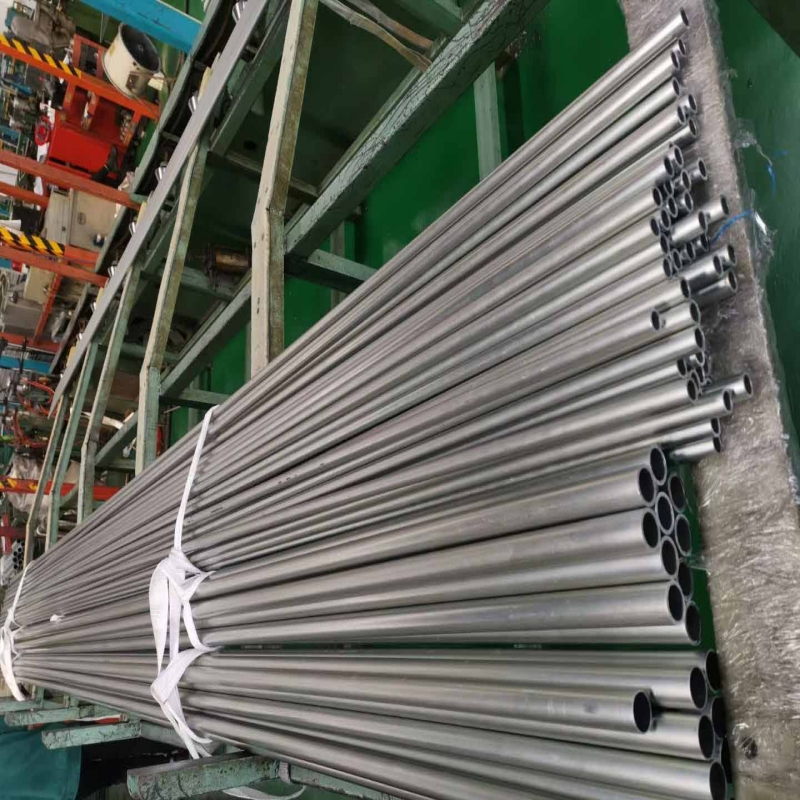
Critical Precision Tube Specifications for Aseptic Pharmaceutical Processes
Tight ID/OD Tolerances and Dimensional Consistency in Sterile Fluid Pathways
Getting micron level control over inner and outer diameters isn't optional when dealing with sterile fluid paths. A deviation of just plus or minus 0.1 mm can mess up laminar flow patterns, cause dose variations of around 12%, and raise contamination risks according to research published in the Journal of Pharmaceutical Sciences last year. When outer dimensions stay consistent, connections to pumps and fittings remain leak free. Inner diameter precision matters too since it reduces those dead spots where biofilms tend to grow. This becomes especially critical for sensitive biological products like monoclonal antibodies or viral vectors. Maintaining those tight dimensions helps keep cells alive and stops particles from coming loose during bioreactor harvesting or when transferring buffers. Most top tier manufacturers check these specs with automated visual systems and statistical process control methods. They regularly hit under 50 microns variation in important processes such as filling vaccines, which makes all the difference in quality outcomes.
Kink Resistance and Dynamic Flex Life Under Peristaltic Pump and Continuous Flow Conditions
Tubing in peristaltic systems has to handle millions of compression cycles without issues like kinking, cracking, or collapsing inside. These problems can cause flow stoppages, let microbes get in, or create inconsistent occlusion points. Newer silicone formulas last about three times longer than regular polymers when it comes to bending and flexing. They can actually survive over half a million compressions at 60 RPM according to ASTM F1841-23 tests. For equipment with tight spaces, resisting kinks matters a lot. Materials that keep their hardness rating between 70 and 80 on the Shore A scale tend to hold shape better even when bent sharply, around three times the tube diameter. Just one shutdown caused by a kink during ongoing viral vector production costs roughly $740,000 worth of product that could have been saved, according to research from Ponemon Institute back in 2023. When the walls of the tubing are evenly thick all around, this helps maintain steady pressure throughout the system. This prevents those sudden shear forces from happening, which can really mess up delicate cell cultures being processed.
Key Performance Metrics for Pharmaceutical-Grade Tubes
| Parameter | Critical Threshold | Impact on Process |
|---|---|---|
| ID Tolerance | ±0.05 mm | Dose accuracy, shear protection |
| Dynamic Flex Life | >500k compressions | System uptime, contamination risk |
| Kink Radius | 3x OD | Flow integrity in compact layouts |
| Extractables (USP <665>) | <0.1 µg/cm² | Product purity, regulatory pass |
Pharmaceutical-Grade Materials: Balancing Biocompatibility, Extractables Control, and Functional Performance
Material selection for precision tubing goes beyond chemical resistance—it requires integrated validation of biological safety, extractables control, mechanical durability, and functional performance under GMP conditions.
Silicone Precision Tubes: USP Class VI Compliance, Flexibility, and Protein Adsorption Considerations
Silicone is still considered the gold standard for creating reliable fluid pathways because it has achieved USP Class VI certification, which basically means it's been tested extensively for safety when used inside the body. These tests include checking for harmful effects throughout the body (systemic toxicity) and how it reacts when placed under the skin (intracutaneous reactivity). The material's remarkable flexibility helps minimize particles coming loose during operations involving squeezing motions, while also making it easier to route through complicated systems. There is one drawback though: silicone's naturally water-repelling surface tends to attract proteins, which might change how certain biological treatments work as they move through the system. For this reason, engineers need to carefully evaluate each specific application first. Sometimes they'll modify the surface properties or even switch to different materials altogether depending on what works best for the particular situation at hand.
Thermoplastic Alternatives (PE, TPE, Fluoropolymers): Chemical Resistance, Leachables Profile, and Plasticizer-Free Safety
Thermoplastics offer compelling alternatives when specific functional or regulatory needs arise:
- Polyethylene (PE) and thermoplastic elastomers (TPE) eliminate plasticizer migration risks—critical for long-duration infusions where compounds like DEHP could leach into drug products.
- Fluoropolymers provide unmatched inertness in aggressive chemical environments, including ethanol-based sterilization and high-concentration solvents.
All thermoplastic options require rigorous extractables testing per USP <665>, particularly after gamma irradiation or autoclaving—processes that may accelerate degradation and release aldehydes or oligomers. Accelerated aging studies confirm leachables remain below 0.1% of the permitted daily exposure (PDE) limit, ensuring alignment with ICH Q5A and Q3D guidance.
Regulatory Validation Framework for Precision Tubes in GMP Environments
ISO 10993 Biocompatibility Testing, USP <87>/<88> Cytotoxicity and Irritation Protocols
When precision tubes come into contact with drugs or process fluids, they need to go through a complete ISO 10993 biocompatibility evaluation. This includes checking for cytotoxic effects according to USP <87>, which involves testing on mammalian cell cultures, as well as assessing sensitization and irritation risks following USP <88> guidelines. The actual testing happens under what we call worst-case scenarios. Think higher temperatures than normal, longer periods of contact between the tube and whatever it's touching, plus the use of pretty harsh extraction solvents. These extreme conditions help mimic how the materials might behave in real pharmaceutical settings. For a material to pass muster, there should be absolutely no signs of cell death happening, no inflammation showing up, and certainly no tissue irritation detected. Only then can manufacturers feel confident about using these materials in sterile fluid pathways where patient safety is paramount.
FDA 21 CFR Part 211 Alignment: Traceability, Lot-Specific Certificates of Conformance, and Change Control Documentation
Compliance with FDA 21 CFR Part 211 demands end-to-end traceability for every tube lot—from polymer resin batch to finished tubing. Manufacturers must supply:
- Unique material identifiers linked to mill certificates and raw material test reports;
- Lot-specific Certificates of Conformance (CoC) verifying dimensional, chemical, and regulatory compliance—including USP <665>, ISO 10993, and ISO 8536-4 for infusion tubing;
- Formal change control documentation for any process, formulation, or supplier modifications—supported by risk assessments and revalidation data.
This framework ensures that every tube installed in a GMP environment maintains sterility assurance, extractables control, and mechanical reliability—without introducing unvalidated variables into validated processes.
FAQ Section
- Why are tight ID/OD tolerances critical in pharmaceutical tubing? Tight ID/OD tolerances are crucial because they maintain laminar flow patterns, precise dosing, and minimize contamination risks, ensuring the consistent and safe processing of sterile fluids.
- How do newer silicone formulas improve tubing performance? Newer silicone formulas enhance tubing performance by resisting kinks, cracking, and collapsing, allowing for millions of compression cycles and ensuring uninterrupted flow within peristaltic systems.
- What makes thermoplastics a preferable alternative for some applications? Thermoplastics like PE, TPE, and Fluoropolymers offer superior chemical resistance and leachables profile, making them ideal for environments requiring plasticizer-free and inert materials, particularly in aggressive chemical settings.
- What is the importance of biocompatibility testing? Biocompatibility testing, including ISO 10993 protocols, ensures that precision tubes do not cause cytotoxic effects, sensitization, or irritation when in contact with drugs, safeguarding patient safety.
- Why is FDA 21 CFR Part 211 compliance necessary for precision tubing? Compliance with FDA 21 CFR Part 211 is essential for traceability, ensuring that each tubing lot maintains dimensional, chemical, and regulatory standards, preventing the introduction of unvalidated variables into GMP processes.