
 EN
EN

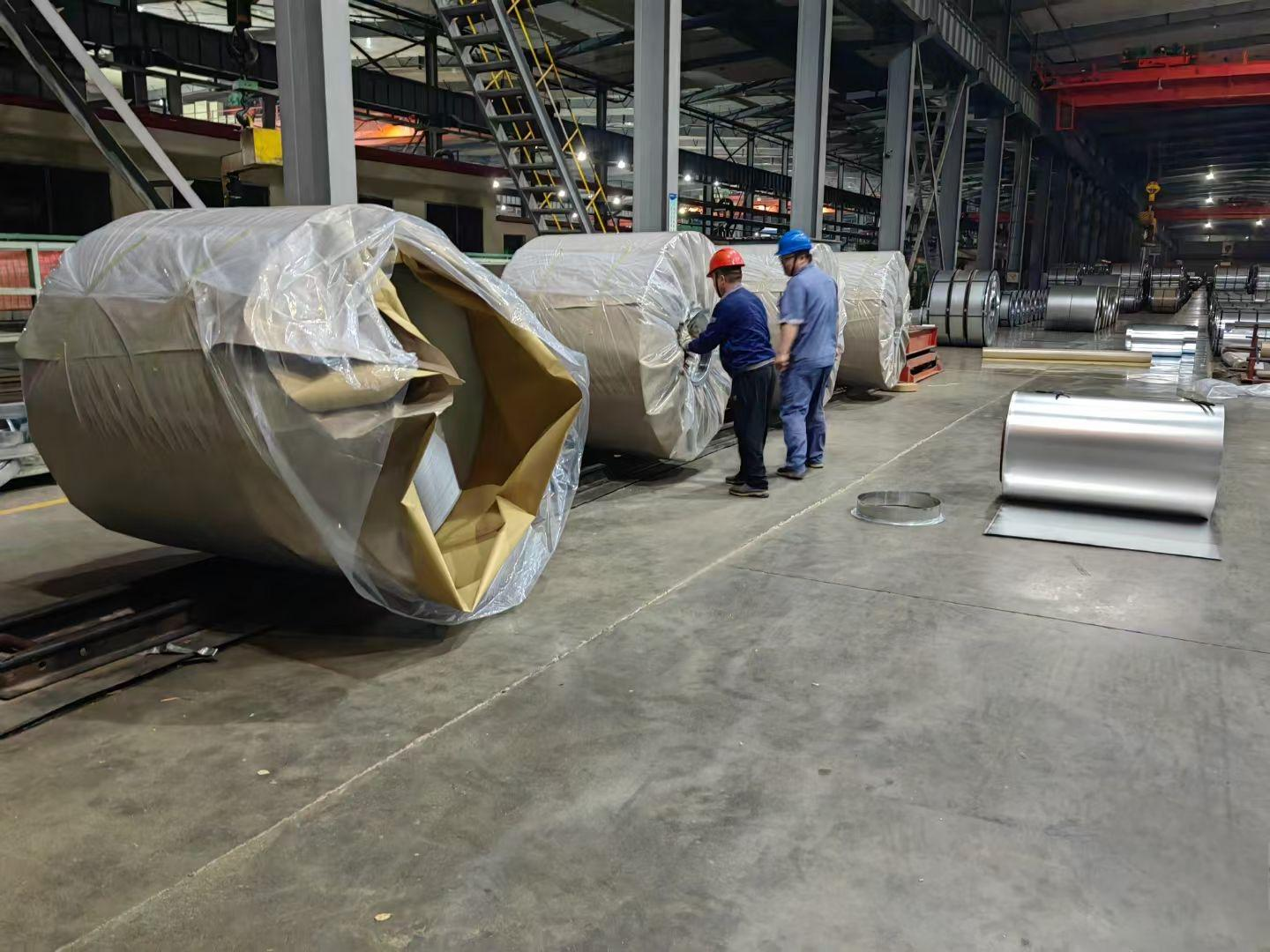
Superior Corrosion Resistance in Demanding Power Environments
How humidity, pollutants, and chlorides degrade unprotected steel in power infrastructure
The power equipment we rely on is constantly battling against corrosion caused by all sorts of environmental conditions. When there's moisture in the air, it basically sets up little electrical paths across steel surfaces which leads to rust forming. Then there are those nasty industrial pollutants floating around, especially sulfur dioxide, that turn into acids when mixed with water vapor. These acids eat away at metals much faster than normal. Salt particles from ocean breezes or road salt used during winter months manage to get through even the best protective coatings, creating small pits in the metal surface. Look at what happens to unprotected steel components sitting in substation areas year after year. In really tough climates, these parts can thin out by more than 50 microns every single year. That kind of wear compromises the whole structure of transmission towers and damages switchgear enclosures too. The end result? Much higher chances of system failures down the line.
Zinc coating as a dual defense: sacrificial protection and barrier against corrosion
Galvanized coils work their magic by leveraging zinc's special characteristics in two main ways. The first thing that happens is that zinc actually corrodes before steel does because of where it sits on the electrochemical scale. This means that even if there are scratches or cuts in the surface, the zinc takes the hit instead of the steel underneath. Then there's also this second layer of protection. When exposed to air, zinc forms a carbonate layer that acts like a shield against water and dirt getting through. What makes galvanized coatings so reliable is that they keep working even after small damages occur. Paint and powder coatings tend to completely fail once they get breached, but galvanized steel keeps protecting what's underneath despite those little flaws.
Case study: Galvanized coils in coastal substations with high salt exposure
Over ten years, engineers studied substations along the Gulf Coast comparing G90 coated galvanized coils to regular steel without protection. The zinc coated parts only had around 15% surface rust even after years of being blasted by salt air from the ocean breeze; meanwhile those plain steel structures needed completely replacing every four years give or take. What does this mean for wallets? Companies saved roughly 60% on overall costs because they didn't have to keep fixing things or deal with unexpected shutdowns at vital facilities where power reliability matters most.
Long-Term Durability and Lifecycle Cost Benefits
Extended service life of galvanized steel in industrial power applications
Galvanized coils offer long lasting protection for power infrastructure systems, often lasting over 50 years even in tough conditions such as those found at coastal substations. What makes them so effective is the zinc coating that actually fixes small scratches on its own through what's called sacrificial anode protection. This process stops rust from spreading along any damaged areas of metal surfaces. When looking at actual performance data, facilities using galvanized materials see their enclosure and support replacements drop by around 40 percent compared to regular steel. The reduction in maintenance needs means fewer interruptions during operations. These benefits align well with established guidelines from organizations like NACE (SP0108) and ISO (14713) regarding proper corrosion management practices across various industries.
Selecting the right zinc coating thickness (G60, G90) for environmental severity
Coating thickness directly correlates with longevity in power equipment:
| Environment | Recommended Coating | Protection Duration |
|---|---|---|
| Moderate (urban) | G60 (0.60 oz/ft²) | 25–35 years |
| Severe (coastal/chemical) | G90 (0.90 oz/ft²) | 40+ years |
Higher zinc loads (G90+) create a robust barrier against salt aerosols and industrial pollutants—proven in offshore wind turbine platforms where corrosion rates dropped by 72% compared to G60-coated equivalents.
Balancing upfront cost vs. long-term savings in power equipment maintenance
While galvanized coils command a 15–25% premium over untreated steel, lifecycle cost analysis reveals 60% savings over 30 years. This stems from:
- Eliminating biannual touch-up painting ($18k/mile/year for transmission structures)
- Avoiding premature replacements costing $220k per substation bay
- Reducing corrosion-related downtime by 80%
Power utilities prioritize G90 coatings for critical outdoor assets, recognizing that initial investment constitutes just 12% of total ownership costs—consistent with EPRI’s 2022 Grid Resilience Cost-Benefit Framework.
Hot-Dip vs. Electrogalvanized Coils: Performance in Power Equipment Manufacturing
Failure comparison: Electrogalvanized vs. hot-dip galvanized coils under industrial stress
The problem with electrogalvanized coils is they tend to break down too soon when used in industrial power settings. The reason? Their zinc layer is really thin, about 5 to 18 micrometers thick. Over time, this coating gets damaged from constant vibrations, temperature changes back and forth, and all sorts of dirt floating around in the air. Hot dip galvanized options tell a different story though. These have much thicker coatings, somewhere between 45 and 100 micrometers, and are actually fused to the metal surface. They last way longer under similar conditions, probably three to five times as long based on what we've seen. Some research done in 2023 looked at parts from substations and discovered something interesting. The electrogalvanized ones started showing signs of rust after only 18 months in areas with heavy pollution. Meanwhile, the hot dip versions stayed intact for more than five years without any issues.
Metallurgical bonding in hot-dip galvanizing and its role in coating durability
Hot dip coils have better durability because when steel gets immersed in molten zinc, something special happens at the molecular level. The zinc actually bonds with the steel surface, creating those tough intermetallic layers we call delta, zeta, and eta phases. What makes this so effective? Well, the layered structure works in two ways. The inner alloys stick firmly to the base metal, acting like glue, while the outer layer of pure zinc takes damage first before the steel underneath gets affected. Tests show these hot dipped coatings hold on much stronger than regular electrogalvanized ones, about 5 to 7 times stronger actually. This means they don't peel off easily when workers bend sheet metal, drop parts accidentally, or when temperature changes cause materials to expand and contract. The real advantage comes when things get rough. Those alloy layers soak up mechanical stress that would otherwise crack and break through the thinner electrogalvanized coatings used in many other applications.
Case study: Electrogalvanized enclosure failures in high-moisture power plants
At a power plant near the coast, they had to replace no less than 112 electrogalvanized equipment boxes within just over two years. The problem? Constant exposure to 85% humidity combined with salt spray from the ocean air led to serious blistering around those welded joints. Tests showed zinc was disappearing from these coatings at an alarming rate of over 15 micrometers per year. When these failed enclosures finally gave out, the company spent a shocking $410,000 on emergency replacements, which ended up costing three times what they would have paid initially if they'd gone with hot-dip galvanized alternatives instead. Looking into why this happened, engineers discovered that electrolytes actually seeped through tiny pores in the electrogalvanized layer. Hot dip galvanizing avoids this issue thanks to its unique self healing properties where the zinc forms a protective patina over time. This advantage isn't just theoretical either it's clearly documented in industry standard ASTM A123/A123M specifications for galvanized steel performance.
Critical Applications in Outdoor and Renewable Power Infrastructure
Growing use of galvanized coils in solar mounts and wind turbine structures
The renewable energy sector is turning to galvanized coil components more and more for both solar panel mounts and wind turbine structures. These installations deal with tough environmental conditions all day every day. Think about coastal areas where salt air eats away at metal, deserts where intense UV rays beat down constantly, or industrial zones filled with corrosive pollutants that just chew through regular steel over time. What makes galvanized steel stand out? The zinc layer works two ways: it forms a protective shield against these harsh elements and also acts as a kind of sacrificial coating that corrodes first before reaching the base metal. Field data from solar farms located in humid climates shows something interesting too. Installations using galvanized mounting systems tend to last around 40 percent longer than those without any treatment. Offshore wind projects benefit similarly from this protection against saltwater damage. Wind farm operators find they need fewer inspections and spend less money on repairs because their foundations hold up better under these extreme conditions, meeting requirements set forth by industry standards like IEC 61400-22 and NORSOK M-501 specifications.
Designing corrosion-resistant support structures with G90-coated galvanized coils
Most engineers go with G90 grade galvanized coils when they need those critical power support structures built for tough environments. The coating is right around 0.90 oz per square foot of zinc, which strikes a good balance between fighting off corrosion and keeping material costs reasonable. We see this spec frequently for things like solar trackers and wind turbine bases where durability matters most. Substations located along coastlines or in desert areas benefit greatly from these G90 coated materials since they stand up against both sand blast damage and saltwater corrosion pretty well. Lab testing has shown that these coatings hold their own through temperature swings from minus 40 degrees Celsius all the way up to 120, making them ideal for places where seasons change dramatically. Companies that choose G90 galvanized options typically end up with equipment lasting about 30 years before needing replacement, plus maintenance intervals drop significantly compared to what we get with powder coatings on similar structures.
FAQ Section
What makes galvanized steel superior for power infrastructure?
Galvanized steel is superior due to its dual protection against corrosion, offering sacrificial anode protection and a protective carbonate layer. This makes it highly resistant to harsh environmental conditions.
Which zinc coating is best for coastal areas?
For severe environments such as coastal areas, G90 coating (0.90 oz/ft²) is recommended as it offers protection for over 40 years.
Why is hot-dip galvanizing preferred over electrogalvanizing?
Hot-dip galvanizing is preferred due to its thicker zinc coating and metallurgical bonding, providing significantly better durability and resistance to environmental stress compared to electrogalvanizing.
How does using galvanized materials affect maintenance costs?
Using galvanized materials significantly reduces maintenance costs by decreasing the frequency of replacements and repairs, ultimately leading to a 60% savings over 30 years.
Why are galvanized coils favored in renewable energy structures?
In renewable energy structures, galvanized coils resist harsh environmental conditions, extending the lifespan and reducing maintenance needs for installations such as solar panels and wind turbines.