
 EN
EN

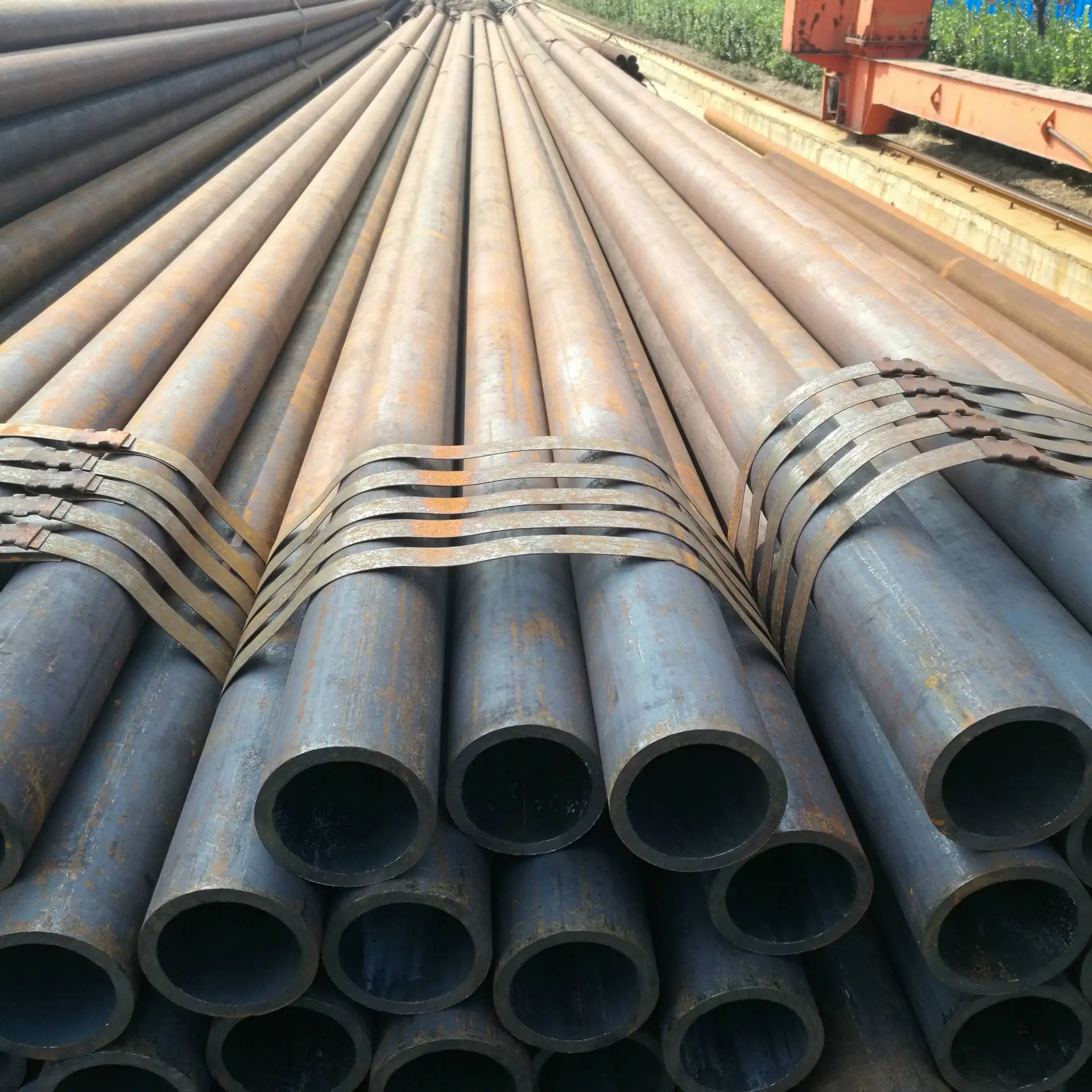
Market Growth Projections for Carbon Seamless Pipes
8.1% CAGR Forecast in U.S. Construction Applications
Market analysts expect the carbon seamless pipes sector to expand at around 8.1% CAGR between 2023 and 2030 within US construction markets. Growing needs across different building areas including homes, businesses, and major infrastructure works are fueling this trend. As economies bounce back post-pandemic, construction sites have become busier than ever before, making contractors turn to carbon seamless pipes because they last longer and work better under stress. With more buildings going up and wallets feeling lighter after tough times, the outlook remains positive for companies selling these specialized pipes throughout America.
Infrastructure Investments Driving $24B+ Market by 2030
Carbon seamless pipes are expected to hit around $24 billion in market value by 2030, thanks largely to big money being poured into infrastructure these days. Since the pandemic hit, Uncle Sam has been throwing down serious cash on all sorts of construction projects across the country, and there's still plenty going on right now. Roads, bridges, water systems, power grids – basically anything that needs durable pipes for years to come – all point to growing demand for these products. And things just keep getting better as manufacturers improve how they make seamless pipes. With so much government funding flowing through the system and an ever-growing list of active projects, it looks like carbon seamless pipes will remain a staple component in our nation's infrastructure for the foreseeable future.
Government Initiatives in Housing and Pipeline Development
The latest government moves aimed at making more houses available are really shaking up the carbon seamless pipe business because they're getting construction projects rolling again. Many of these new rules actually include green aspects, which makes sense why carbon seamless pipes are becoming popular choices. They last longer than other options and don't leave as big a mark on the environment. Plus there are all sorts of financial perks from the government now, like tax cuts and cash rewards when builders use advanced materials for pipelines. All this activity isn't just helping construction companies grow faster, it's pushing more people toward carbon seamless pipes since they meet those strict new building codes everyone has to follow these days.
Advantages Over Welded and Alternative Materials
Superior Strength Compared to Galvanized Pipes
Carbon seamless pipes have much better tensile strength than galvanized ones, which is why they work so well under pressure situations. The reason behind this strength lies in how these pipes are made without seams, something that welded pipes just cant match because those welds create weak spots. Fewer failures means safer jobsites when working with carbon seamless pipes. Research shows these pipes handle stress better too, so they perform reliably even when things get tough. For anyone building big structures or working in heavy industries, carbon seamless pipes tend to be the go to option instead of welded or galvanized alternatives simply because they last longer and require less maintenance over time.
Corrosion Resistance vs. Stainless Steel Options
Stainless steel pipes get praised for resisting rust, but carbon seamless pipes aren't far behind when properly treated. With new coating technologies and special treatments, these carbon pipes stand up well against harsh environments at a fraction of the price tag. The market has seen some interesting developments recently too. Companies report that improved treatment methods not only make these pipes last longer but keep costs down compared to stainless alternatives. What makes this so appealing? These pipes work great across different settings from chemical plants to food processing facilities. For businesses watching their bottom line without sacrificing quality, carbon seamless pipes offer real value proposition over traditional stainless options.
Cost-Effectiveness in Large-Scale Construction Projects
When working on big construction sites, carbon seamless pipes really stand out because they save money over time through reduced installation and maintenance costs. What makes them special is how they're made - manufacturers can produce much longer sections with fewer connections between them. This means less work for crews and faster completion times overall. Contractors who've used these pipes report noticeable savings across multiple dimensions of their projects. For major developments where every dollar counts and deadlines matter, going with carbon seamless pipes proves to be a wise investment decision. Budgets stay intact while meeting project timelines remains achievable, all without sacrificing the structural integrity or functional performance that construction requires.
Technological Innovations in Pipe Manufacturing
Automated Cold-Drawing Processes for Precision
New automated cold drawing methods are changing how carbon seamless pipes get made across the industry. These advanced techniques bring better precision to the production process, which means less wasted materials overall while also making factory operations run smoother day to day. From an environmental standpoint, manufacturers appreciate that this approach cuts down on resource consumption compared to older methods. Real world data shows factories adopting these systems report fewer defects in their products. The improvements extend beyond just numbers too – we're seeing higher quality outputs like superior seamless steel and galvanized pipes that perform better in construction applications where reliability matters most.
3D Printing Applications for Custom Structural Components
Three dimensional printing is opening up exciting opportunities for making custom carbon seamless pipes. With this tech, manufacturers can now produce parts that fit exactly what industries need, rather than relying on standard sizes. What really stands out is how fast companies can test prototypes and get products ready for market much quicker than before. Many professionals in the field believe we're looking at a major shift in how pipes are made. Incorporating 3D printing means factories won't have to compromise on specifications just because something isn't available off the shelf anymore. We're already seeing better accuracy in construction projects where these printed pipes are being used, though there are still some challenges around scaling up production for large orders.
IoT-Enabled Quality Control Systems
Bringing IoT tech into industrial pipe manufacturing really helps boost quality control when we monitor production in real time. These smart systems spot problems fast, cutting down on defects and keeping products up to those tough quality standards most factories demand. Manufacturers report stats showing about a 30% drop in quality problems since they started using IoT during production. That kind of improvement speaks volumes about how effective these new technologies are at making sure pipes perform reliably over time without all sorts of issues cropping up later on.
Sustainable Construction Applications
Recyclability in Green Building Projects
The recyclability factor has made carbon seamless pipes a big deal in sustainable construction circles lately. After their useful life ends, these pipes get broken down and reused rather than ending up in landfills, which helps keep materials flowing through the system instead of piling up somewhere. When builders choose materials that can go through this cycle, they save raw materials while working towards those LEED certifications that developers love showing off on marketing brochures. Industry data shows buildings using stuff like carbon seamless pipes tend to hit those green standards faster, something that makes sense given how important environmental credentials have become for property values these days.
Energy-Efficient Production Advancements
The way we make carbon seamless pipes has changed quite a bit when it comes to saving energy during manufacturing. These days most factories install things like heat recovery systems and find ways to cut down on material waste, which really cuts back on what goes into landfills. Industry data shows that going green in production doesn't just mean fewer greenhouse gases getting released into the atmosphere either. Factories report savings around 20% on their bottom line too. For pipe makers wanting to stay competitive worldwide while still being responsible about their environmental footprint, these improvements offer both wallet-friendly results and planet-friendly outcomes without sacrificing quality standards.
Role in Renewable Energy Infrastructure
Carbon seamless pipes play a key role in building out renewable energy infrastructure, especially in wind farms and solar panel arrays across the country. These pipes stand up well to harsh conditions because of their solid construction and ability to withstand corrosion over time. With governments around the world setting ambitious green energy targets, we're seeing market analysts predict stronger demand for carbon seamless pipes in coming years. Wind turbine manufacturers rely heavily on these pipes for structural support while solar companies need them for underground conduit systems. As the clean energy sector continues expanding, carbon seamless pipes will likely stay at the forefront of sustainable development efforts worldwide.