
 EN
EN

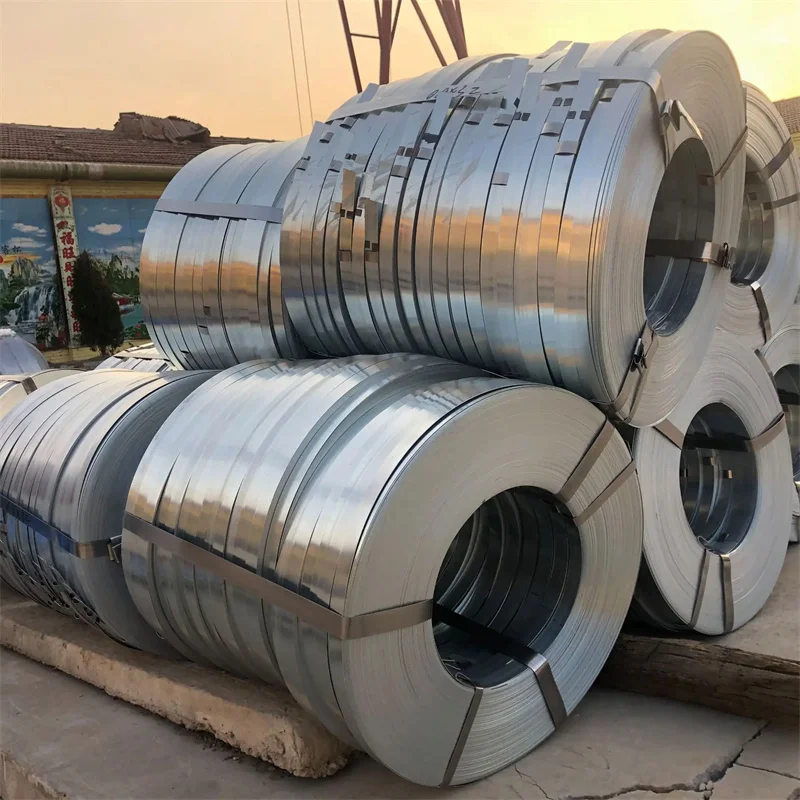
Superior Corrosion Resistance of Galvanized Steel Strips
Zinc Coating: The First Line of Defense
Galvanized steel gets its corrosion resistance from a zinc coating that acts like a protective shield. When exposed to elements, this zinc layer actually takes the hit first, corroding away before reaching the actual steel underneath. Galvanized products tend to stick around much longer than their unprotected counterparts, which makes them pretty tough stuff for all sorts of settings. Some studies show these coatings can hold up for more than half a century outdoors, which speaks volumes about their lasting power. Manufacturers can tweak how thick the zinc is applied depending on what kind of environment the steel will face, giving extra protection where needed most. What's interesting too is that zinc has this neat trick where it can repair itself when there are small scratches or abrasions, so the steel stays intact even after minor damage occurs.
Performance in Coastal vs. Industrial Environments
Galvanized steel works really well along coastlines because it fights off saltwater corrosion pretty effectively, which means it keeps performing reliably even when exposed to those tough marine conditions. Beyond just beach areas, research indicates this material holds up against both acidic and alkaline substances found commonly in factories and other industrial sites. When compared side by side, regular steel without any coating tends to start showing problems after just a couple of years in harsh environments, whereas galvanized versions stay strong much longer. What's interesting is how maintenance needs actually change depending on where the steel ends up being used. For instance, parts placed near chemical plants may need checking every six months, while similar components at sea might last several years between inspections. These differences directly impact what companies spend over time, making galvanized steel often the smarter choice economically despite higher initial costs.
Structural Strength and Longevity in Construction
Comparison with Aluminum Sheets and Stainless Steel Pipes
Galvanized steel brings real strength to the table, something that's really important when building structures. When we look at aluminum sheets instead, they're definitely lighter and bend easier, but galvanized steel stands up much better over time. Stainless steel pipes? They work great too, but let's face it, they cost way more money. Galvanized steel gives builders a good middle ground here, saving cash while still holding up pretty well. Some studies have shown that when things get stressful during construction or after completion, galvanized steel holds together better than either aluminum or stainless steel options. That makes a big difference for contractors worried about long term performance. And talking numbers, switching to galvanized steel often means saving around 30% on materials costs. For big projects where budget matters as much as quality does, these savings add up fast without sacrificing what the structure needs to last decades.
Case Studies: Bridge Failures and Galvanized Solutions
Galvanized steel plays a critical role in bridge building, especially after seeing what happens when corrosion takes hold. Take the case of the Silverton Bridge in Oregon where rust damage led to major repairs costing millions. Engineering research shows that applying galvanized coatings can actually double or triple the life of old bridges while keeping them safe for drivers. Maintenance budgets drop dramatically too because these coated parts don't need constant attention like regular steel does. Across the country from Texas to New York, engineers are turning to galvanized solutions for their projects. These real world applications prove that investing in galvanized materials pays off big time in both wallet savings and structural protection against weather damage that plagues so many other construction materials.
Incorporating galvanized steel into construction projects not only enhances structural strength and offers cost advantages but also ensures long-term resilience and reduced maintenance, making it a preferred choice for contemporary infrastructure endeavors.
Cost-Effectiveness and Low Maintenance Benefits
Reduced Lifetime Costs vs. Galvanized Pipes
Galvanized pipes tend to be cheaper than copper or stainless steel options right from the start, which saves money upfront. Studies have found these pipes don't need fixing as often during their lifetime, so people end up spending less overall. They resist rusting pretty well too, even in tough conditions, meaning there's no rush to replace them every few years. And let's not forget about maintenance costs either. When all is said and done, many folks find they spend around 40 percent less on galvanized piping compared to alternatives throughout the whole time they're used.
Minimizing Replacement Needs in Harsh Conditions
Galvanized steel strips really help structures last longer when they're subjected to tough weather conditions or pollution from factories nearby. Some studies have shown that fixing or replacing materials that fail early on can end up costing around five times what they originally cost to install. When we use galvanized steel products instead, maintenance crews spend way less time doing emergency fixes and replacements. That's why smart builders often choose galvanized options for their projects these days. These materials stand up better against rust and corrosion, making them worth considering whenever someone wants to cut down on repair bills over time while still getting good performance from construction materials.
Key Applications in Modern Construction
Roofing Systems vs. Corrugated Steel Plates
Galvanized steel strips are becoming increasingly common in modern roofing systems thanks to how durable they are while still being relatively light. Compared to corrugated steel plates that look nice but tend to wear out faster, these galvanized options hold up much better over time. Some studies show that buildings with galvanized roofs actually save on cooling costs because the material reflects sunlight so well. Most building codes now specify galvanized steel for structures where lasting strength matters most, particularly barns, warehouses, and factory complexes. Contractors keep coming back to this material again and again across different types of construction projects because it works so reliably year after year.
Structural Framing and Reinforced Concrete Support
Galvanized steel strips are essential for structural framing work and really boost building stability. Take the recent bridge project in Seattle as an example where engineers found these components critical for keeping reinforced concrete structures intact after years of exposure to salt air and traffic vibrations. Most structural engineers will tell anyone who asks that when they install galvanized steel in support systems, it cuts down on potential damage during earthquakes. That's why we see so many buildings standing tall even after major quakes. These days, architects routinely specify galvanized materials because they work well in almost any construction scenario. From skyscrapers in downtown cores to suspension bridges spanning rivers, galvanized steel just makes sense for long term durability despite what some cheaper alternatives might promise upfront.
Sustainability and Environmental Advantages
Recyclability Compared to Stainless Steel Plates
Galvanized steel gets recycled quite a bit actually, around 80% of it finds new life somewhere else. That's way better than what we see with certain types of stainless steel. Recycling this stuff isn't just quick work either it takes much less energy too. Industry folks have found that when builders reuse old galvanized steel instead of manufacturing fresh stainless steel sheets, they save roughly three quarters of the energy normally needed. The construction world is getting greener by the day, so materials like galvanized steel make sense here. With all these new building regulations pushing green building practices, galvanized products fit right into those requirements for eco conscious developments. Many architects and contractors now prefer working with these materials because they check off several boxes on their sustainability lists without breaking the bank.
Reducing Carbon Footprint in Infrastructure Projects
Adding galvanized steel to construction work cuts down on greenhouse gases over time. Studies show buildings with galvanized components emit around 20% less carbon than those made with conventional materials. This helps developers get LEED certification points while keeping pace with companies' environmental targets. Builders who choose eco-friendly options such as galvanized steel find themselves appealing to clients who care about sustainability. As more people push for greener buildings, this material choice becomes increasingly attractive both from an ethical standpoint and for business reasons.