
 EN
EN

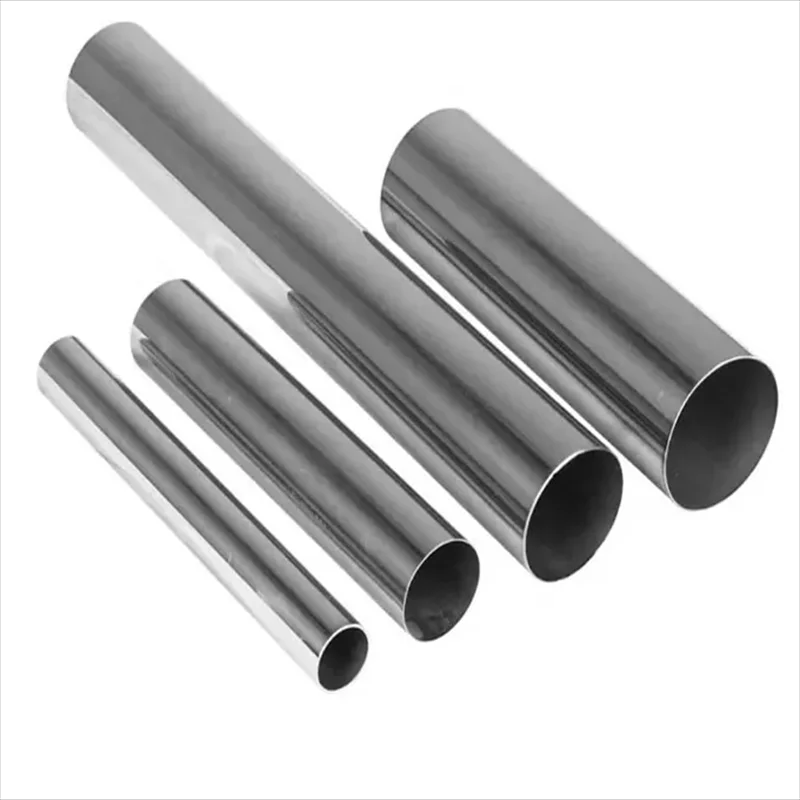
Key Advantages of Stainless Steel Pipes in Architecture
Superior Durability and Corrosion Resistance
Stainless steel pipes stand up really well against wear and tear plus they resist corrosion pretty effectively. This matters a lot when dealing with places where there's constant moisture, harsh chemicals around, or temperature extremes. Some tests show these pipes can stick around for more than half a century before showing much sign of breakdown, beating out other materials on the market. The reason behind this lasting power? Well, stainless just doesn't rust or stain easily. That makes them great for things like building facades, structural supports in bridges, and even plumbing systems inside hospitals where cleanliness matters most. Because they need so little upkeep over time, many contractors actually save money in the long run despite higher initial costs. No wonder we see stainless steel becoming increasingly popular across different construction projects nowadays.
Aesthetic Versatility for Modern Designs
Stainless steel piping brings a clean, modern look to buildings that really stands out in today's architecture scene, which explains why so many designers gravitate toward it. Available in all sorts of surface treatments from brushed to mirror finish, this material works wonders both as eye-catching exterior features and essential structural components. What's great is how these different finishes adapt to what architects want for their projects. A building might need something subtle for a minimalist vibe or something bold for maximum impact, and stainless steel delivers either way without sacrificing its strength and durability characteristics.
Cost-Effectiveness Over Long-Term Use
Stainless steel pipes definitely cost more upfront than options like galvanized steel, but looking at the big picture tells another story. These pipes last much longer and need almost no maintenance, which adds up to real money saved down the road. Industry numbers indicate around 40 percent less spending on replacements when using stainless steel instead of older materials over twenty years. For anyone planning infrastructure that needs to stand the test of time while being environmentally friendly, going with stainless steel just makes good business sense in the long run.
Applications in Modern Architectural Design
Structural Support Systems and Frameworks
Stainless steel pipes show up all over architectural blueprints these days, especially when it comes to supporting structures. What makes them so appealing? Well, they pack a lot of strength without adding much weight at all. This means buildings stay safe and stable without needing extra reinforcement. Many architects choose stainless steel for everything from massive bridges to everyday homes because it cuts down on how much material is needed while still meeting tough performance requirements. Structural engineers have run tests time and again, and stainless steel keeps beating out other options when it comes to lasting power and holding together under stress. That's why so many forward thinking designers reach for stainless steel whenever sustainability matters most in their projects.
Facades and Decorative Cladding
Stainless steel has this amazing reflective quality that makes it really great for building exteriors and decorative cladding in architecture. Cities love materials that stand out visually, and stainless steel does just that. Buildings with stainless steel surfaces get noticed because they reflect light so well, creating eye-catching effects that work nicely alongside contemporary design features. What's interesting too is how stainless steel helps with energy savings. When sunlight hits these reflective surfaces, much of it bounces right back instead of getting absorbed into the building structure. Architects have started using this property smartly to cut down on cooling costs during hot weather, making buildings both beautiful and practical at the same time.
Sustainable and Energy-Efficient Projects
When architects think about sustainability today, stainless steel pipes have become an essential part of their plans. These pipes can actually be recycled over and over again without any loss in quality, making them great at cutting down on construction waste. This property fits right into green building programs like LEED, where builders get points for using materials that don't harm the environment. Many construction firms now specify stainless steel because it meets those green standards while still being durable enough for serious structural applications. The material has pretty much become standard in sustainable design circles due to how well it supports environmentally conscious building approaches across different project types.
Stainless Steel vs. Alternative Materials
Comparing Stainless Steel with Galvanized Pipes
When it comes to pipe materials, stainless steel really stands out compared to old fashioned galvanized options, mainly because they resist rust so much better and just last way longer. Galvanized pipes tend to break down after years of use, getting all corroded and weak, while stainless steel keeps performing without issues thanks to how it's made. Some tests indicate these steel pipes might actually last anywhere from double to triple what galvanized ones manage before needing replacement, which explains why architects and builders are increasingly going this route nowadays. The bottom line is that buildings with stainless steel piping systems end up spending less money on repairs down the road and enjoy far fewer problems with leaks or failures throughout their operational lifespan.
Aluminum Sheets vs. Stainless Steel Plates
When picking between aluminum sheets and stainless steel plates, most folks look at what the job actually needs structurally. Aluminum is pretty popular because it's so light and easy to work with, which makes sense for things where being able to move stuff around matters a lot. Think construction sites or transportation equipment where weight savings count. Stainless steel tells a different story though. These plates pack serious punch when it comes to strength and lasting power, which explains why they show up everywhere from bridges to industrial machinery. Anyone making this call needs to think hard about how much force the material will face day to day and what kind of environment it'll be sitting in. Rust isn't just ugly after all it eats away at materials over time. That's where stainless really shines, standing up against weather, chemicals, and whatever else Mother Nature throws its way without breaking down.
Role of Square Tubes in Structural Integrity
Stainless steel square tubes have become a go-to option in contemporary architecture thanks to their durability and versatility. The tubes themselves stand up really well to stress points, resisting both bending forces and twisting pressures that would compromise weaker materials. This kind of resistance matters a lot when building things like multi-story structures or bridges where stability counts. Plus, the square shape actually saves space on construction sites compared to round alternatives, cutting down on wasted materials during installation. For architects looking to balance budget constraints with long-term performance, these tubes offer real value while still holding up the weight of entire buildings over decades of use.
Innovations and Future Trends
Advanced Stainless Steel Alloys in Construction
The latest advances in stainless steel alloys are really changing how buildings get constructed today. Engineers now work with materials that weigh less but pack much more punch than traditional options, something many architects love seeing in their blueprints. Take coastal regions where salt air eats away at metals fast. These new alloys stand up against corrosion far better than older versions did, so structures built near oceanfronts last decades longer without needing replacement. What makes this stuff special is that it combines rock solid strength with surprising lightness. This means designers can create daring shapes and spans that would break conventional materials, yet still maintain safety standards for years on end.
Integration with Smart Building Technologies
What makes stainless steel so special is how well it works with all sorts of smart building tech these days. The strength of this metal means architects can actually hide sensors and other smart parts right inside walls or structural elements without worrying about damage over time. We're seeing buildings pop up everywhere with these hidden systems that monitor everything from temperature to occupancy levels in real time. Energy savings are pretty impressive too when buildings adjust lighting and HVAC based on actual usage patterns rather than fixed schedules. With cities getting crowded and sustainability becoming non-negotiable, stainless steel has become something of a hero material for developers looking to create buildings that think for themselves while still standing strong against weather and wear.
Sustainability and Recyclability in Green Architecture
Stainless steel's ability to be reused again and again without losing quality makes it a big player in green architecture these days. When buildings get torn down or renovated, the steel from them can go right back into production lines as good as new stuff. Some studies indicate that recycling this metal saves around three quarters of what would normally be needed to make fresh material from scratch. That means less power going into manufacturing processes and fewer materials ending up in landfills, which helps push forward efforts toward eco-friendly construction. More and more design firms now specify stainless components for their projects when they want to hit those LEED certification targets or simply because clients demand greener options these days.
FAQ
What makes stainless steel pipes a preferred choice in architecture?
Stainless steel pipes are favored for their superior durability, corrosion resistance, aesthetic versatility, and long-term cost-effectiveness, making them ideal for contemporary architectural designs.
How do stainless steel pipes contribute to sustainable architecture?
Stainless steel can be recycled indefinitely without losing quality, reducing architectural waste and promoting environmentally responsible building practices. It aligns with sustainability standards like LEED.
What are the benefits of integrating stainless steel with smart building technologies?
Stainless steelâs strength and robustness allow for embedding sensors and smart components, which enhance energy efficiency and support the development of intelligent building infrastructures.
How does the longevity of stainless steel compare to other materials?
Stainless steel can last two to three times longer than galvanized pipes, reducing maintenance costs and extending service life, making it a superior choice in terms of durability.