
 EN
EN

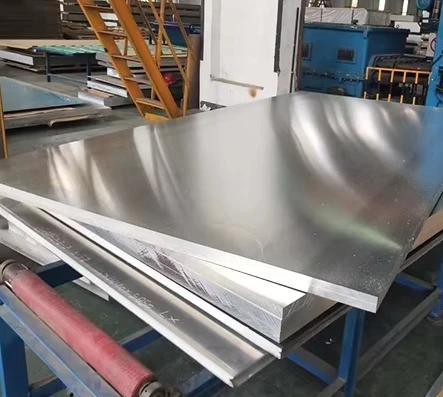
Key Properties of Aluminum Sheets
Lightweight Strength and Durability
Aluminum sheets pack quite a punch when it comes to strength despite being so light they weigh around one third of steel but still hold up just as well. Their amazing strength relative to weight makes these materials perfect choices whenever cutting down on mass matters most, think airplanes or cars. Research over the years has repeatedly demonstrated how aluminum sheets handle serious stress situations without breaking apart or losing structural integrity, which leads to better safety margins and more efficient product designs overall. Plus, working with aluminum tends to be easier on everyone involved during both manufacturing and installation phases because it's simply lighter to handle.
Corrosion Resistance and Thermal Conductivity
Aluminum sheets just naturally resist rust and corrosion, which makes them last much longer than many other materials. When exposed to air, they form a thin oxide coating that acts like armor against environmental damage. Another big plus is how well aluminum conducts heat. That's why we see it so often in things like heating and cooling systems where managing temperature is critical. Industry data shows these corrosion fighting abilities actually beat most competing metals hands down, especially when installed in harsh environments. The combination of staying intact over time while also moving heat around efficiently explains why manufacturers keep coming back to aluminum year after year for everything from construction projects to automotive parts.
Formability for Custom Applications
Aluminum sheets can really bend and shape themselves in all sorts of ways, making it simple to cut them, mold them, and turn them into complicated shapes needed for special projects. The fact that they're so easy to work with makes them super important when making things like car parts or those fancy architectural details that need to be just right. Manufacturers love how adaptable these aluminum sheets are because it lets designers come up with new ideas and apply them in ways that weren't possible before. Look at the auto industry where cars now have these sleek curves that would be impossible with steel, or buildings with those eye-catching exteriors that stand out from the crowd. Basically, aluminum's ability to take on almost any shape means there's no end to what companies can create when they want something truly customized.
Applications of Aluminum Sheets in Modern Industries
Automotive Lightweighting Solutions
Car makers are using more aluminum sheets in their manufacturing processes because they cut down on vehicle weight and boost fuel economy. Compared to old school steel, aluminum can shave hundreds of pounds off a car's frame without sacrificing strength. The lighter cars burn less gas, which means fewer carbon emissions throughout their entire life cycle on the road. The Aluminum Association reports that switching to lighter materials has actually saved around 2 billion gallons of gasoline every year across North America alone. This makes aluminum an important player in making cars greener while still keeping production costs under control for manufacturers.
Construction and Architectural Uses
Aluminum sheets bring real value to construction projects, combining practical advantages with eye-catching design elements. Architects frequently incorporate them into exterior walls, roofing systems, and ceiling installations because they stand up well to weather while looking great too. The fact that aluminum is so light makes shipping and putting it in place much easier compared to heavier materials, which cuts down on how long a project takes to complete. Studies have found that buildings with aluminum components tend to save money on heating and cooling costs in the long run. No wonder why so many contemporary structures rely heavily on aluminum sheets these days.
Battery Enclosures and Energy Systems
Aluminum sheets are really important when making battery enclosures because they offer good protection without adding too much weight to the overall structure. For energy systems, this matters a lot since both safety concerns and operational efficiency need to be addressed properly. Aluminum's ability to handle heat works well for dissipating excess warmth from these systems, something that helps keep them running at their best over time. Looking around the industry, there seems to be an increasing use of aluminum materials in things like solar panels and wind turbine components. This shows how aluminum continues to gain ground across different areas within the green energy field.
Aluminum Sheets vs. Traditional Materials
Comparison with Galvanized Steel Sheets
Aluminum sheets just plain outperform galvanized steel when it comes to standing up against corrosion. The metal naturally resists rusting and other forms of degradation, so products made from aluminum need less maintenance over time and tend to last much longer before replacement becomes necessary. Another big plus? Aluminum weighs considerably less than its galvanized steel counterpart. This makes all the difference in applications where cutting down on weight matters most, like in transportation or construction equipment. According to recent market analysis from the Metal Manufacturing Association, businesses that switch materials often see their shipping costs drop by around 15% alone. For manufacturers looking to optimize both quality and cost efficiency, going with aluminum isn't just about saving money upfront it's also about investing in something that will keep working reliably year after year without breaking the bank on repairs or replacements.
Advantages Over Stainless Steel Pipes
When comparing aluminum sheets to stainless steel pipes, the main benefit comes down to money while still keeping good strength and lasting power. Aluminum just costs less overall compared to those expensive stainless steel options, so many businesses on tight budgets go for aluminum instead. Stainless steel is also much heavier stuff, which means higher transportation fees and more work when moving around. People these days want lighter materials that don't weigh them down, especially in construction and manufacturing where weight matters a lot. That's why we see aluminum taking off in so many different areas from building projects to packaging solutions. The metal has been around forever but keeps proving itself time after time as something practical that works well without breaking the bank.
Cost-Efficiency in Multi-Material Systems
When manufacturers start using aluminum sheets alongside other materials, they often see real money saved while still getting good performance from their products. The fact that aluminum can be reused multiple times cuts down on long term expenses quite a bit, which is why many companies now prefer it for composite applications. Some industry reports indicate that switching to aluminum in mixed material setups saves cash across both manufacturing processes and raw material purchases. Factories that incorporate these lightweight metal sheets tend to waste fewer resources overall and run operations more efficiently. For businesses looking at sustainability without breaking the bank, this makes aluminum an attractive option. Many plant managers report seeing lower maintenance costs and longer equipment life spans when working with aluminum components, proving its value beyond just initial price tags.
Innovations in Aluminum Sheet Technology
Multi-Material Integration Strategies
Manufacturers are increasingly combining aluminum with different materials to make products stronger yet lighter at the same time. What we're seeing here goes beyond simply mixing materials together. The real value comes from better designs that work harder without making things heavier. According to industry reports, this approach has improved performance across many sectors including cars and planes. When companies pair aluminum's lightness with other substances, they get products that hold up well under stress but don't weigh too much either. This combination opens up new possibilities for how we build stuff, sometimes even surprising engineers with what can now be achieved in terms of durability versus weight ratios.
Precision Tube and Coil Manufacturing
Recent improvements in manufacturing techniques now let aluminum sheets take on all sorts of complicated forms including tubes and coils. The automotive and aerospace fields have really taken notice of this development since precise engineering matters so much there. Market research indicates that demand for these specially made aluminum parts keeps rising because they offer better adaptability and work smarter than traditional methods. What makes these new approaches stand out is their capacity to create lighter yet stronger components that can handle what those tough industries throw at them. For companies making these products, staying ahead means embracing these innovations which give them an edge over competitors who haven't caught up yet.
Coated Aluminum for Enhanced Performance
When aluminum sheets get coated, they become much better at resisting scratches, rusting out, and fading under sunlight, which means they last longer before needing replacement. Recent advances in coating tech have opened up all sorts of new looks too—from smooth glossy surfaces to rough textured finishes that can really transform how something looks in different settings. The coated aluminum market has been growing fast lately because so many industries need materials that hold up against tough conditions but still look good. Think about smartphones or building facades exposed to weather year round. Manufacturers increasingly turn to these coated sheets when they want materials that perform well over time while offering designers plenty of creative options.
Sustainability and Recycling Advantages
Circular Economy Contributions
Aluminum sheets play a big role in helping build a circular economy because they can be recycled at 100% without losing any quality. This makes them really important for sustainability work in lots of different sectors, keeping precious materials out of landfills where they'd just go to waste. Recycling aluminum actually takes around 95 percent less energy than making brand new aluminum from scratch, so it cuts down on environmental impact quite a bit. The International Aluminum Institute points out that besides being good for the planet, recycling aluminum creates real money value too. That's why many companies see aluminum as one of those essential ingredients when putting together green business strategies these days.
Reducing Carbon Footprint in Production
When it comes to making aluminum sheets, turning to recycled material makes all the difference for cutting down the industry's carbon footprint. The truth is, recycling aluminum uses way less energy than starting from scratch with raw materials, which means significantly lower greenhouse gas emissions too. What's interesting is how this metal finds its way into so many buildings and manufactured goods across the country. Because aluminum doesn't release those harmful VOCs during processing, we actually see better air quality around factories where it's being worked on. A recent study by the Aluminum Association found that boosting recycling rates by just 10% could cut emissions equivalent to taking hundreds of thousands of cars off the road each year. This kind of thinking about what goes into our products matters a lot for anyone concerned about sustainability and cleaner skies.
Lifecycle Benefits for Eco-Conscious Industries
Using aluminum sheets in product design brings real advantages over time, especially for companies trying to cut down on their environmental footprint. Studies looking at the whole life cycle of materials keep showing aluminum beats most traditional options when it comes to being green. Why? Because aluminum lasts longer, weighs less, and can be recycled again and again without losing quality. As more people start caring about what they buy and where it comes from, businesses that switch to aluminum gain points with customers and look like they care about the planet. Take the automotive industry for instance – carmakers who incorporate aluminum parts not only reduce weight but also position themselves as forward thinking in an era where going green means staying relevant.