
 EN
EN

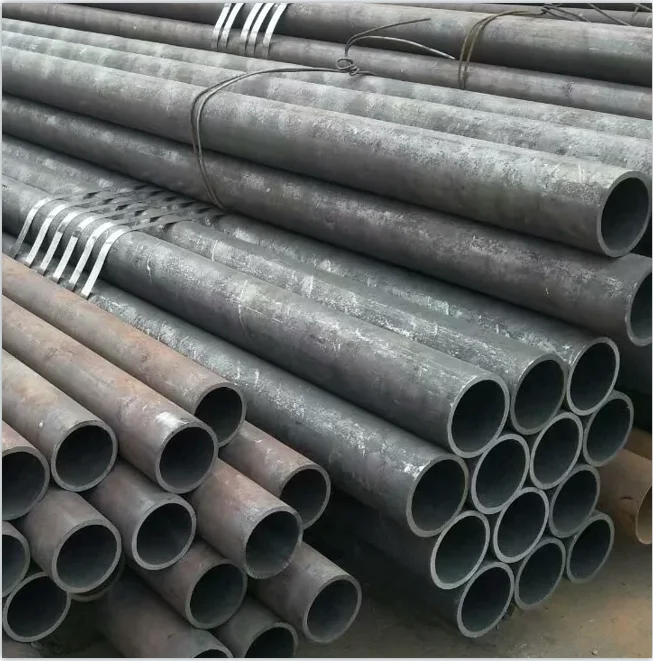
The Role of Carbon Seamless Pipes in Industrial Construction
Why Carbon Seamless Pipes Outperform Welded Alternatives
Carbon seamless pipes play a vital role in industrial construction because they offer better structural strength compared to welded options. Without those weld seams running through them, these pipes have fewer spots where problems might start, something that really matters when dealing with extreme pressures and heat conditions. The fact that seamless pipes form one solid piece from end to end makes them much safer for tough situations such as oil refineries or natural gas transportation systems where failures can be catastrophic.
Seamless pipe manufacturing gets rid of those pesky weld defects we often see in regular welded pipes. These kinds of flaws really mess with how safe and functional the whole system becomes, particularly when things get serious in industrial settings. Studies keep coming back showing something pretty clear: seamless pipes just handle stress better over time and stand up to intense pressure situations much better than their welded versions do. No wonder so many heavy industries like oil refineries and chemical plants stick with seamless options whenever possible. They know their operations simply cannot afford any kind of failure due to faulty piping connections.
Key Differences from Stainless Steel and Galvanized Materials
Looking at carbon seamless pipes next to stainless steel and galvanized options reveals some pretty significant distinctions, especially when it comes down to what they can handle and where they work best. Sure, stainless steel has great protection against rust and corrosion, which is why many people choose it for certain environments. But carbon seamless pipes actually stand up better in terms of pure strength while costing less per foot installed. That's why construction sites and industrial facilities often go with carbon seamless when building infrastructure that needs to last through tough conditions without breaking the bank on materials. The savings add up over time, making these pipes a smart choice for projects with tight budgets but high demands on structural integrity.
Galvanized materials tend to cost less but run into problems when faced with high pressure situations where carbon seamless pipes really shine. Take galvanized sheets for example they just don't hold up well in places that need serious structural strength. When choosing between these options, it all comes down to what exactly the job requires. Carbon seamless pipes get picked most of the time in situations where things are going to get pretty intense because they can handle tough conditions without breaking down or losing effectiveness. That's why so many industries rely on them whenever reliability and sheer strength matter most.
Superior Strength and Durability for High-Pressure Environments
Seamless Manufacturing Process and Structural Integrity
Carbon steel pipes made through seamless manufacturing processes use methods like extrusion or what's called rotary piercing. These production techniques eliminate weak spots in the finished product. The way these pipes are made actually boosts their mechanical properties quite a bit. They tend to have much better tensile strength and can withstand repeated stress without breaking down, something really important when dealing with high pressure situations. Take a look at the numbers too. Tests show these seamless pipes can take on pressures reaching around 10,000 pounds per square inch. That makes them pretty much indispensable for tough conditions where failure isn't an option, think offshore oil platforms or major pipeline systems across industries.
Seamless pipes don't have welds, which gets rid of all those problems that come from bad welds, making them much stronger overall. The extra strength helps these pipes stay reliable even when there's a lot of pressure inside, so they're less likely to leak or break down completely. That kind of dependability really matters in situations where things just cant go wrong at all. Think about places like chemical factories where a single failure could cause major issues, or big infrastructure projects where engineers need something they can count on day after day without worrying about unexpected problems.
Resistance to Extreme Temperatures and Mechanical Stress
Carbon seamless pipes really hold up under extreme temperatures, keeping their shape and strength whether exposed to intense heat or freezing cold. The fact that they work so well across these extremes means fewer failures overall. That translates to saving money on repairs and avoiding costly shutdowns when things go wrong. Take the petrochemical industry for example, where equipment faces constant temperature swings during processing operations. Here, carbon seamless pipes keep running smoothly day after day without unexpected cracks or ruptures that could shut down entire production lines.
Industry professionals often point out that carbon seamless pipes tend to last much longer because they don't suffer from the same wear issues as other options. The way these pipes are constructed gives them superior resistance to mechanical stress, which makes all the difference when compared to welded versions that can develop weak points over time. For manufacturers working in harsh conditions, this kind of durability translates into real savings. Many plants report getting double the service life from seamless piping systems, which explains why so many chemical processing facilities and oil refineries have made the switch despite higher upfront costs. When looking at total ownership expenses, the investment pays off handsomely in maintenance savings alone.
Incorporating both seamless manufacturing processes and robust resistance to extreme conditions, seamless carbon steel pipes offer unparalleled strength and durability for industries that demand the highest standards of performance and safety. As a result, they remain an attractive option for engineers and businesses facing high-pressure challenges.
Corrosion Resistance and Longevity in Harsh Conditions
Comparison with Aluminum Sheets and Stainless Steel Pipes
Carbon seamless pipes strike a good balance between lasting power and protection against rust when stacked up against alternatives on the market. Sure, they don't hold a candle to stainless steel when it comes to resisting corrosion, but throw them into tough conditions and watch them shine where aluminum would fail. These pipes just last longer than those coated galvanized ones we see everywhere in factories and plants. A recent field test at a coastal refinery showed carbon seamless pipes surviving over 5 years in saltwater exposure while their aluminum counterparts needed replacement after just 18 months. For anyone dealing with harsh industrial settings, these pipes tend to become the go-to solution despite their initial higher cost because nobody wants to deal with constant maintenance headaches down the road.
Protection Against Chemical and Environmental Damage
Carbon seamless pipes offer better defense against chemical attacks and environmental wear, which makes them well suited for tough industrial conditions. When manufacturers apply special protective coatings to these pipes, they become much more resistant to aggressive chemicals found in sectors like chemical processing plants and oil refineries. The fact that these pipes can handle corrosive substances means they last longer before needing replacement, cutting down on maintenance costs over time. Real world applications show this advantage clearly - many factories report significant savings after switching to carbon seamless pipes because there's less downtime from pipe failures and fewer expensive repairs needed. For companies operating in challenging environments where equipment reliability matters most, these pipes simply make good business sense in the long run.
Cost-Effectiveness and Versatility Across Applications
Lower Maintenance Costs vs. Galvanized Sheet Solutions
Carbon seamless pipes offer real money saving advantages because they need much less maintenance work than galvanized sheets do. Sure, buying these pipes upfront costs more cash on the table, but what companies get back is worth it in the end. These pipes just last longer and break down way less often. Factory managers tell us maintenance crews spend around 30% less time fixing problems with carbon seamless piping systems compared to other materials. What makes this possible? The solid construction stands up better to daily wear and tear. Plants running 24/7 operations see the biggest difference since there's simply no downtime for unexpected repairs or part swaps. While nothing lasts forever, most facilities find these pipes still performing well after years of heavy use without needing major overhauls.
Adaptability in Plumbing, Gas Distribution, and Structural Systems
Carbon seamless pipes stand out for how well they work in so many different situations. Plumbers rely on them because they handle water flow really well while keeping pressure stable throughout the system. When it comes to gas lines, those same pipes transport fuel safely even when pressure fluctuates, which happens all the time in real world conditions. The construction industry has also adopted these pipes extensively for things like bridge supports and building frameworks where strength matters most. Engineers appreciate that carbon seamless pipes meet pretty much every standard there is, from basic safety requirements to complex specifications needed in oil refineries or chemical plants. That's why we see them everywhere now in infrastructure projects around the globe.
Applications of Carbon Seamless Pipes in Modern Infrastructure
Oil and Gas Pipeline Construction
Carbon seamless pipes have become essential in building oil and gas pipelines because they can withstand intense pressure and tough environmental conditions. These pipes maintain their strength over time, which helps prevent major accidents and keeps operations running safely. Looking at what's happening in the market right now, more companies are choosing carbon seamless pipes for new pipeline projects thanks to better performance over years of service and improved safety margins. The industry clearly wants materials that pass strict quality tests, something that makes sense when considering both the money invested in infrastructure and the safety of workers who operate near these critical systems daily.
High-Pressure Boiler Systems and Industrial HVAC
Carbon seamless pipes act as a vital barrier against catastrophic failures in high pressure boiler systems because they hold up well even when subjected to extreme pressures. These pipes are also essential components in industrial HVAC setups where they enable better heat movement throughout the system, which ultimately cuts down on energy costs. With more companies looking to cut their environmental impact lately, there's been growing interest in these durable pipe options across various sectors. The seamless design addresses both safety concerns and operational demands without sacrificing performance, making them particularly valuable in applications involving sustained high temperatures that would degrade other materials over time.
Bridges and Heavy-Duty Structural Framing
Using carbon seamless pipes when building bridges really boosts how much weight they can hold and makes the whole structure more stable. Most architects and civil engineers prefer these pipes because they weigh less but are still super strong compared to older materials. Take for instance the Golden Gate Bridge or several modern highway overpasses where these pipes have been used extensively. Real world tests show that structures built with seamless pipe frameworks last longer without issues and actually save money on materials since less is needed to achieve the same strength requirements. The combination of light weight and durability makes them an increasingly popular choice across the construction industry.
Table of Contents
-
The Role of Carbon Seamless Pipes in Industrial Construction
- Why Carbon Seamless Pipes Outperform Welded Alternatives
- Key Differences from Stainless Steel and Galvanized Materials
- Superior Strength and Durability for High-Pressure Environments
- Seamless Manufacturing Process and Structural Integrity
- Resistance to Extreme Temperatures and Mechanical Stress
- Corrosion Resistance and Longevity in Harsh Conditions
- Comparison with Aluminum Sheets and Stainless Steel Pipes
- Protection Against Chemical and Environmental Damage
- Cost-Effectiveness and Versatility Across Applications
- Lower Maintenance Costs vs. Galvanized Sheet Solutions
- Adaptability in Plumbing, Gas Distribution, and Structural Systems
- Applications of Carbon Seamless Pipes in Modern Infrastructure
- Oil and Gas Pipeline Construction
- High-Pressure Boiler Systems and Industrial HVAC
- Bridges and Heavy-Duty Structural Framing