
 EN
EN

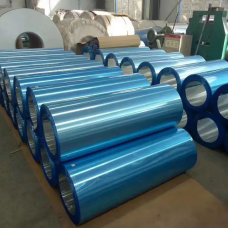
Understanding Aluminum Coil Specifications
Alloy and Temper Selection
Getting the right alloy and temper for aluminum coils matters a lot if we want them to meet those mechanical specs. There are plenty of different aluminum alloys out there on the market including 3003, 5052, and 6061. Each one brings something special to the table whether it's better resistance against rust or increased strength and flexibility. The temper basically means how the metal was treated after casting, and this makes all the difference in how tough or bendable the final product becomes. When picking an alloy and temper combo, manufacturers need to think about what their particular application demands. Also worth mentioning are those industry standards such as ASTM and QQ-A specifications. These aren't just random guidelines but actual benchmarks that help determine whether materials will work together properly and maintain good quality throughout production runs. Knowing what these standards mean helps engineers pick the best options based on real world performance rather than guesswork alone.
Gauge and Width Tolerances
Working with aluminum coils requires knowing about gauge and width tolerances if the material is going to work properly for what it's meant to do. Gauge basically means how thick the sheet metal is, and most commonly ranges between around 0.02 inches all the way up to 0.125 inches thick. Tolerances matter because they tell manufacturers how much variation is allowed in both thickness and width when producing these materials. Following standards such as ASTM B221 gives clear guidelines that help keep measurements consistent across batches, which cuts down on wasted material and makes the whole production line run smoother. Getting those gauge and width specs right from the start saves headaches later on, especially when projects depend on exact dimensions for proper fit and function in final applications.
Inner vs. Outer Diameter Considerations
Checking the inner and outer diameters of aluminum coils matters a lot when it comes to making sure they work properly with processing machines. Most standard inner diameters fall somewhere between 16 and 20 inches, which basically determines if the coil fits right onto the equipment and handles well during operations. When looking at outer diameters things get a bit trickier since they change depending on the coil size and what exactly it's being used for. Getting familiar with these numbers helps avoid headaches down the line during manufacturing. Taking time to measure these specs correctly makes all the difference for storage efficiency too, reducing problems that pop up during actual production runs. A good look at those dimensions ensures everything slots together nicely with existing equipment setups and keeps operations running smoothly without unnecessary interruptions.
Surface Finish and Coating Options
Mill Finish vs. Specialty Finishes
Surface finish matters quite a bit when working with aluminum coils since it affects how they perform in different applications. Mill finish basically means the coil has no coating at all just the raw metal as it comes straight off the production line. This kind of finish works well for situations where leaving the aluminum untouched makes sense technically speaking. But if looks matter more or the environment is harsher, specialty treatments come into play. Anodizing or painting adds protection against corrosion while giving the material a nicer appearance overall. That's why we see these special finishes showing up so much in buildings and heavy industrial settings. Choosing between plain mill finish versus something fancier really boils down to what exactly needs to be built and where it will end up being used.
Galvanized Sheet Coatings for Durability
Galvanizing aluminum coils involves applying a zinc coating to boost their resistance against rust and decay. This method works wonders when the metal needs to stand up to wet conditions or chemical exposure, which happens quite often in industrial settings. Research indicates that properly galvanized parts last much longer than untreated ones before showing signs of wear. For manufacturers dealing with tough operating environments, investing in galvanized sheets makes sense both economically and practically. These coated materials hold up better over time without losing strength, making them a smart choice for construction projects facing extreme weather or corrosive substances daily.
PVDF vs. SMP Paint Systems
The choice between PVDF and SMP coatings matters quite a bit when it comes to painting aluminum coils. PVDF, which stands for Polyvinylidene Fluoride, really holds up against UV rays and tough chemicals, making it last much longer than many alternatives. On the flip side, SMP coatings, short for Silicone Modified Polyester, tend to be cheaper upfront but might start showing signs of wear sooner. Most manufacturers find themselves weighing these options based on how long they need the coating to last versus what their budget allows. If the goal is something that will stand the test of time without frequent touch-ups, PVDF usually wins out. But for those working within tighter financial limits where occasional maintenance isn't too big a deal, SMP can work just fine.
Key Factors in Aluminum Coil Selection
Matching Coil Properties to Project Requirements
Choosing the correct aluminum coil starts with knowing exactly what the project demands. The first step usually means looking at things like how strong the material is when pulled (tensile strength), how easily it can be shaped (formability), plus checking its ability to resist rust and considering its weight. Getting these details right makes sure the coil works properly for whatever job it's meant for. Taking time to assess all these elements before making a decision really matters in selecting the right product. When done properly, this approach cuts down on wasted materials and makes the whole project run smoother, so the selected aluminum coil actually matches what's needed for the specific application at hand.
Environmental and Weather Resistance Needs
Looking at aluminum coils means checking out where they'll actually be installed if we want them to last long term. The assessment process needs to cover different aspects too, especially figuring out what kinds of coatings and alloy types work better against tough weather conditions and chemicals. There was one particular research project looking at treated coils placed in areas with lots of moisture, showing clearly that good quality coatings really do help these products survive longer under those challenging circumstances. Checking through various reports and available information helps determine which materials stand up best when exposed to environmental stressors, protecting whatever gets built with these components from damage caused by nature over time.
Line Pipe and Precision Tube Applications
Manufacturers often pick aluminum coils for line pipes and precision tubes because they combine light weight with good strength. Matching characteristics like heat resistance to what the job actually requires makes all the difference in how well things work out. Take precision tubes for instance aluminum coils here need to handle whatever stresses come their way while still lasting long enough and performing efficiently. Looking at what other industries have done successfully through case studies offers valuable perspective when choosing between different types of aluminum coils. Going this route helps make sure whatever gets picked works not just technically but fits within the actual conditions where it will be put to work.
Evaluating Aluminum Coil Suppliers
Quality Assurance and Testing Standards
Picking the right aluminum coil supplier means looking closely at how they handle quality control and whether they follow established industry tests. Standards such as ASTM and ASME aren't just paperwork requirements but actual benchmarks that help guarantee consistent results across different batches. Most reputable suppliers who stick to these guidelines tend to deliver better performing coils that last longer without unexpected failures during installation. Before finalizing any partnership, it's wise to ask for documentation showing compliance with those standards. These papers serve as proof of what the supplier says about their materials, giving buyers peace of mind knowing exactly what they're getting into before making large purchases.
Regional vs. National Supplier Pros/Cons
Choosing between local and big box suppliers really affects what's in stock and how good the service ends up being. Local guys tend to know their customers better and can usually get stuff delivered faster, even if they don't carry everything under the sun. Big national suppliers have warehouses full of products that cover almost any need out there, but most small business owners will tell you the service just isn't as warm or responsive. When building a solid supply network, it pays to look at both options carefully. Some companies find they need a mix of both types depending on what part of their operation we're talking about. The bottom line? Nobody wants to sacrifice great customer service just to have every possible item available at all times.
Customer Service and Technical Support
When looking at aluminum coil suppliers, solid customer support matters a lot, particularly when dealing with problems or picking out the right products for specific needs. Knowing whether a supplier has good technical resources really affects how well future projects will run. Companies that provide dependable technical assistance generally see fewer headaches down the road because they handle issues before they become major roadblocks. Many businesses find that reading what other customers say about their experiences gives a clear picture of how reliable a supplier actually is. Clients who consistently report positive interactions tend to stay with those suppliers longer since everyone benefits from knowing someone who understands their business requirements and cares about keeping them happy over time.
Avoiding Common Aluminum Coil Mistakes
Overlooking PIW Calculations
Getting a handle on Pounds per Inch Width (PIW) calculations matters a lot when figuring out how much materials will cost for aluminum coils. If someone gets these numbers wrong, they might end up spending way more than planned or running short on materials altogether, which messes up good project planning. A smart move would be to spend some time going through training materials or checking out workshops focused on PIW math and budget tips. Better accuracy here helps avoid blowing the budget while still making sure there's plenty of aluminum coil available for whatever needs come up during the actual work.
Ignoring Unwind Direction Requirements
The unwind direction of aluminum coils matters a lot when it comes to keeping processing equipment running right. Getting this wrong often results in big problems during production runs, including wasted materials and messed up products. That kind of mistake eats away at productivity and drives up expenses across the board. Manufacturers need to check equipment specs carefully before starting any job. Everyone working on the line should know exactly what the unwind direction requirements are for their specific setup. Following these guidelines makes operations run smoother and helps avoid costly downtime. Most plants find that sticking to proper unwind directions saves money in the long run while maintaining quality standards throughout the production cycle.
Neglecting Surface Finish Compatibility
Getting the right surface finish on aluminum coils to match what they'll be used for matters a lot if we want to stop problems down the road. Some finishes just don't play well with certain environments and could cause early wear or complete breakdowns. Before finalizing anything, check whether the chosen finish works with both the environment where it'll sit and how it's going to perform day to day. Talking to people who know this stuff inside out often makes all the difference when dealing with these kinds of material compatibility issues. Their experience helps ensure whatever gets installed will last longer without falling apart unexpectedly. Paying close attention to how finishes interact with their surroundings saves headaches later on when projects start showing signs of stress from mismatched materials.