
 EN
EN

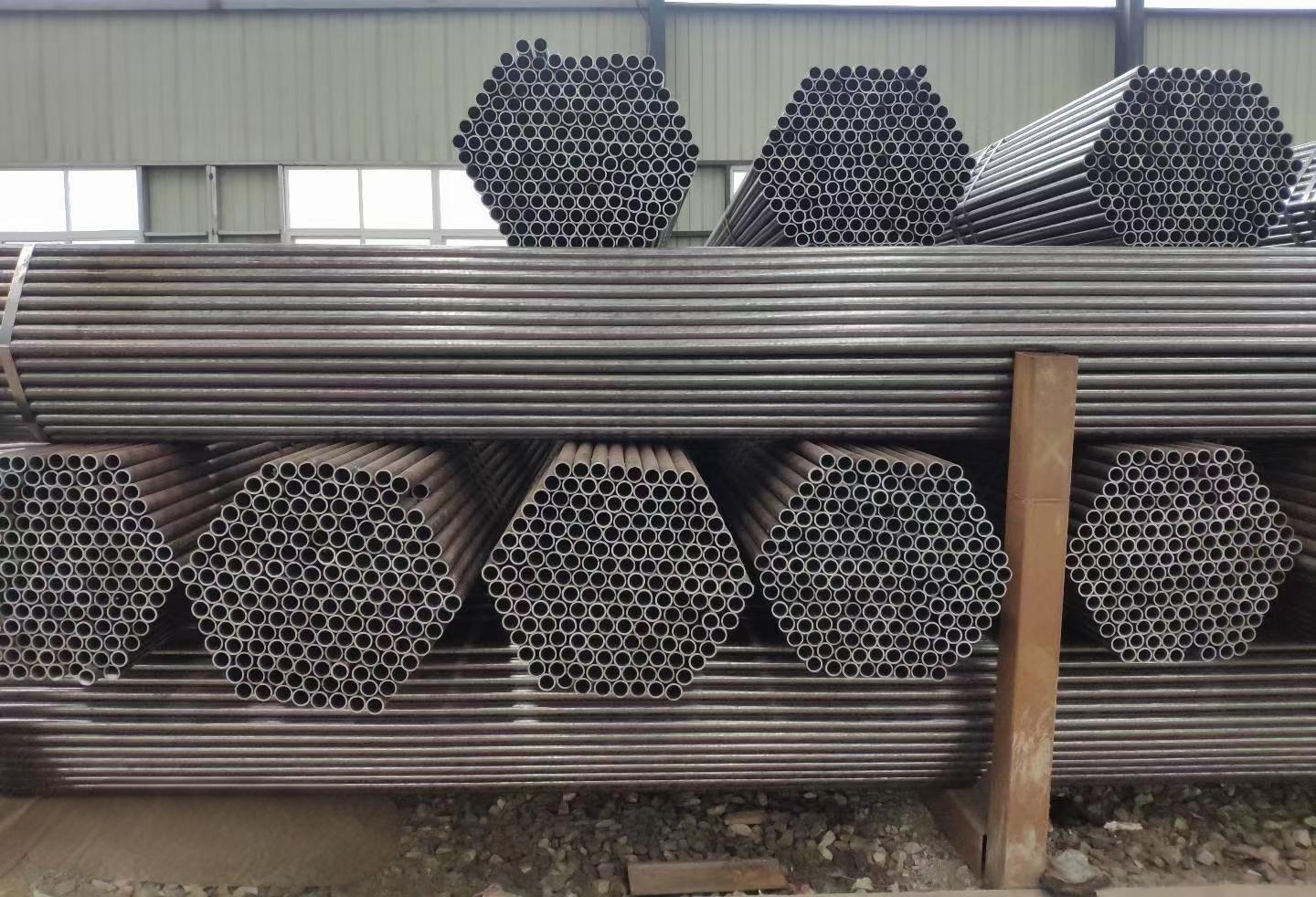
استانداردهای بینالمللی اصلی برای انطباق لولههای بدون درز کربنی
ASTM A106 درجه B: معیار مرجع برای لولههای بدون درز کربنی در دمای بالا
ASTM A106 درجه B به عنوان استاندارد مرجع برای لولههای بدون درز کربنی با مقاومت بالا در برابر دماهای بالا که در نیروگاهها و پالایشگاههای سراسر جهان استفاده میشوند، شناخته میشود. این مشخصات حداقل استحکام تسلیم 35 هزار پوند بر اینچ مربع (ksi) و استحکام کششی 60 هزار پوند بر اینچ مربع (ksi) را در دمای کاری تا 750 درجه فارنهایت یا 400 درجه سانتیگراد الزامی میکند. آنچه این درجه را خاص میکند، کنترل دقیق ترکیب شیمیایی آن است. درصد کربن کمتر از 0.30٪، منگنز بین 0.29٪ تا 1.06٪ حفظ میشود و محدودیتهای سفتی نیز بر عناصر کمی مانند مس و کروم اعمال میشود. این کنترلها به حفظ خواص خوب جوشکاری و مقابله با پیشرفت تدریجی (خرز) در طول زمان کمک میکنند. استانداردهای عمومی این موارد را الزامی نمیکنند. برای A106 درجه B، شرکتها موظف به انجام آزمونهای ضربه شارپی V شکل (Charpy V-notch) در شرایط سرمایشی هستند. همچنین باید عملیات نرمالسازی از طریق فرآیندهای کامل عملیات حرارتی انجام شود. این اقدامات به حل نقاط شکست متداولی میپردازند که به طور مداوم در اثر چرخههای مکرر گرمایش و سرمایش در خطوط بخار و سایر سیستمهای لولهکشی فرآیندی در تأسیسات صنعتی رخ میدهد.
API 5L در مقابل ASTM A53 در مقابل EN 10216-2: تطبیق استانداردهای لوله بدون درز کربنی با الزامات پروژههای جهانی
انتخاب بین API 5L، ASTM A53 و EN 10216-2 به فشار کاری، انطباق جغرافیایی و محیط سرویس بستگی دارد:
| استاندارد | کاربرد اصلی | درجه فشار | پذیرش کلیدی منطقهای |
|---|---|---|---|
| Api 5l | خطوط لوله انتقال نفت و گاز | فشار بالای 1000 PSI (ASME B31.4) | آمریکای شمالی/خاورمیانه |
| ASTM A53 | لولهکشی سازهای/عمومی | فشار 300 تا 600 PSI | صنعت جهانی |
| EN 10216-2 | سیستمهای تحت فشار اروپایی | PN 16—100 بار | کارخانههای تحت نظارت اتحادیه اروپا/بریتانیا |
در مورد خطوط لوله هیدروکربنی بینالمللی، اعتبارسنجی چقرمگی شکست SR6 مطابق API 5L را نمیتوان نادیده گرفت. برای کسانی که در محیطهای خورنده مانند میادین فراساحلی دریای شمال فعالیت میکنند، استاندارد EN 10216-2 آزمونهای سختی هیدروژنی ایجادشده (HIC) را بهصورت دقیق الزامی میکند. از سوی دیگر، ASTM A53 ممکن است گزینهای مقرونبهصرفه برای عملکرد خدماتی به نظر برسد، هرچند کنترلهای ساختار ریز را بهدرستی پوشش نمیدهد. اشتباه در این زمینه میتواند به هزینههای جایگزینی بالای 740 هزار دلاری منجر شود، همانگونه که مؤسسه پونمون در سال 2023 گزارش کرده است. به همین دلیل انتخاب استاندارد مناسب از همان روز اول برای حفظ سلامت داراییهای خط لوله در طول عمرشان بسیار مهم است.
الزامات مکانیکی و شیمیایی مهم برای لوله بدون درز کربنی با عملکرد بالا
میزان کربن، منگنز و عناصر باقیمانده: نحوه تأثیر ترکیب بر استحکام و جوشپذیری
ترکیب شیمیایی مواد نقش مهمی در رفتار مکانیکی آنها، قابلیت جوشپذیری و دوام آنها در طول زمان ایفا میکند. از نظر محتوای کربن، درجههای پایینتر بین حدود ۰٫۱۰٪ تا ۰٫۲۰٪ برای کاربردهایی که نیاز به خم شدن بدون شکست دارند و همچنین داشتن جوشهای با کیفیت در لولهها و سیستمهای انتقال سیال مناسبتر هستند. در مقابل، مواد با سطوح بالاتر کربن (۰٫۴۵٪ یا بیشتر) تمایل به استحکام بیشتر در برابر کشش دارند و بنابراین برای سازهها یا قطعات تحت تنش شدید مناسبترند. غلظتهای منگنز که معمولاً بین ۰٫۳۰٪ تا ۱٫۰۶٪ متغیر است، به بهبود سختی و مقاومت در برابر ضربه حتی در دماهای پایین کمک میکند و در عین حال امکان شکلدهی و فرآوری ماده را حفظ میکند. سطوح گوگرد و فسفر باید به شدت کنترل شوند و در مجموع زیر ۰٫۰۵٪ باشند تا مشکلاتی مانند ترکخوردگی گرم و شکست ترد ایجاد نشود. دادههای صنعتی سال ۲۰۲۴ نشان میدهد که تجاوز از این حد، عمر مفید را در کاربردهایی که تنش بهطور مداوم اعمال میشود، حدود ۴۰٪ کاهش میدهد.
| دسته بندی | محتوای کربن | استحکام کششی (حداقل) | کاربرد اصلی |
|---|---|---|---|
| 10# | 0.07–0.14% | 335 MPa | سیستمهای سیالات با فشار پایین |
| 20# | 0.17–0.24% | 410 MPa | ماشینآلات/تکیهگاههای ساختاری |
| 45# | 0.42–0.50% | 590 MPa | اجزای صنعتی تحت فشار بالا |
معیارهای استحکام تسلیم، استحکام کششی و چقرمگی ضربهای بر اساس استانداردهای ASTM/ASME
خواص مکانیکی مواد تعیین میکنند که قبل از خرابی، چه مقدار تنش را میتوانند تحمل کنند. استاندارد ASTM A106 درجه B حداقل مقاومت تسلیم حدود ۲۴۰ مگاپاسکال و مقاومت کششی حدود ۴۱۵ مگاپاسکال را مشخص میکند. این مشخصات در دامنه وسیعی از دماها، از ۴۰- درجه سانتیگراد تا ۴۰۰ درجه سانتیگراد طبق رهنمودهای ASME B31.3 از سال ۲۰۲۴، معتبر هستند. هنگام کار در محیطهای بسیار سرد، مشخصه مهم دیگری نیز وجود دارد: آزمون ضربه شکاف V شکل چارپی باید حداقل ۲۷ ژول در دمای ۳۰- درجه سانتیگراد نشان دهد. این آزمون به جلوگیری از شکستهای شکننده که ممکن است در لولههای جوشدادهشده در این شرایط رخ دهد، کمک میکند. فرآیند تولید بدون درز (سهگوش)، ساختار دانهای یکنواختتری در کل ماده ایجاد میکند و نقاط ضعیف احتمالی در محل درزها را حذف میکند. به همین دلیل، لولههای بدون درز معمولاً میتوانند حدود ۲۵ درصد بیشتر از لولههای جوشدادهشده فشار را تحمل کنند. هرچند ASTM A53 بسیاری از این الزامات مقاومتی را دارد، اما هیچ مشخصهای برای آزمون ضربه شامل نمیشود. این موضوع باعث میشود که این استاندارد برای کاربردهایی که دماهای بسیار پایین یا شرایطی با بارهای دورهای مکرر دارند، گزینه ضعیفی باشد.
| اموال | ASTM A106 درجه B | ASTM A53 Grade B | آستانه کاربرد حیاتی |
|---|---|---|---|
| استحکام تسلیم | ≥240 MPa | ≥240 MPa | ایمنی در برابر پارگی خط لوله |
| استحکام کششی | ≥415 MPa | ≥415 MPa | پیشگیری از فروپاشی ساختاری |
| حالت ضد ضربه | ≥27 ژول @ –30°C | لازم نیست | عملیات در دمای پایین |
فرآیندهای تولیدی که تضمین میکنند لوله بدون درز کربنی استانداردهای عملکردی را رعایت میکند
فرآیندهای پایان دادن گرم، کشش سرد و عملیات نرمالسازی: همترازی فرآیند با استانداردهای لوله بدون درز کربنی
سه فرآیند ترمو-مکانیکی بهطور مستقیم امکان انطباق با استانداردهای بینالمللی را فراهم میکنند:
- پایانه داغ ، که در دمای بالای 1200 درجه سانتیگراد و پس از آن با سوراخکاری چرخان انجام میشود، جریان دانههای یکنواختی تولید میکند که برای پایداری در دمای بالا و تحملات ابعادی (ضخامت دیواره ±12.5%) در استاندارد ASTM A106 ضروری است.
- کشش سرد کیفیت سطح (Ra ≤1.6 میکرومتر بر اساس API 5L)، دقت ابعادی و استحکام کششی — تا 70 هزار پوند بر اینچ مربع — را بهبود میبخشد و مقاومت در برابر خستگی و خوردگی را افزایش میدهد.
- نرمالسازی ، که یک عملیات حرارتی با سرد شدن کنترلشده در هوای آزاد است، همگنی ساختار ریز را بهبود میبخشد تا الزامات ضربه شارپی V-notch در استاندارد EN 10216-2 را برآورده کند و شکلپذیری در دماهای پایین را تا 40٪ افزایش دهد.
این فرآیندها اتصالات جوشی را که منشأ اصلی خرابی در سیستمهای تحت فشار هستند، حذف میکنند و خطر نشتی را در مقایسه با گزینههای جوشی شده به میزان ۸۳٪ کاهش میدهند (دادههای یکپارچگی خطوط لوله ۲۰۲۳). هر لوله قبل از صدور گواهی نامه، تحت آزمون خودکار اولتراسونیک (AUT) و تأیید فشار هیدرواستاتیک قرار میگیرد تا تطابق آن با آستانههای مکانیکی خاص کاربرد تضمین شود.
انتخاب استاندارد مبتنی بر کاربرد برای لوله بدون درز کربنی در صنایع حیاتی
تولید بخار، انتقال نفت و گاز و پردازش شیمیایی: تطبیق استانداردهای لوله بدون درز کربنی با شرایط کاری
انتخاب بهترین استاندارد به تطابق دقیق با شرایط کاری بستگی دارد:
- تولید بخار بالاتر از 750°F (400°C) نیازمند ASTM A106 Grade B یا ASME SA-335 P11/P22 برای مقاومت در برابر خزش و پایداری حرارتی است.
- انتقال نفت و گاز نیازمند API 5L Grade X60/X70 است که برای تحمل فشار داخلی بیش از ۲,۵۰۰ PSI و مقاومت در برابر ترک خوردگی ناشی از هیدروژن در شرایط محیطی اسیدی طراحی شده است.
- پردازش شیمیایی از ASTM A333 کلاس 6 برای مقاومت سرمازدگی تا دمای –50°F (–45°C) و آلیاژهای ASTM A335 برای مقاومت بیشتر در برابر خوردگی ناشی از کلریدها، اسید سولفوریک و سایر محیطهای خورنده استفاده میشود.
هنگام تصمیمگیری در مورد سیستمهای لولهکشی، مهندسان باید عوامل کلیدی متعددی از جمله دماهای شدید، احتمال خوردگی و بارهای فشاری را در نظر بگیرند. این شرایط تعیین میکنند که بر اساس دستورالعملهای ASME B31.3 ضخامت دیواره لولهها چقدر باید باشد، چه اقدامات حفاظتی برای جلوگیری از ترکخوردگی ناشی از هیدروژن لازم است و آیا مواد قادر به تحمل تغییرات ناگهانی دما هستند یا خیر. لولههایی که بهطور خاص برای کاربردهای معین طراحی شدهاند، در شرایط سخت مانند قرار گرفتن در معرض آب شور یا مواد شیمیایی اسیدی حدود ۴۰ درصد طول عمر بیشتری دارند. برای سکوهای نفتی دریایی، استاندارد API 5L تضمین میکند که لولهها تحت تنش فشارهای اعماق دریا ترک نمیخورند. در همین حال، کارخانههای شیمیایی به لولههای ASTM A335 که حاوی آلیاژهای کروم-مولیبدن هستند متکی هستند، زیرا این مواد در برابر تخریب ناشی از مواد خورنده مقاومت میکنند. دقت در این امر بسیار مهم است، زیرا انتخاب نادرست مواد منجر به خرابی تجهیزات، توقفهای پرهزینه و مشکلات در رعایت مقررات ایمنی میشود.
سوالات متداول
- معیارهای اصلی برای لوله فولادی بدون درز کربنی چیست؟
- معیارهای اصلی برای لوله فولادی بدون درز کربنی شامل ASTM A106، API 5L، ASTM A53 و EN 10216-2 میشود. هر یک از این استانداردها برای کاربردها و شرایط خاصی مانند محیطهای دمای بالا یا استفاده در معرض گاز ترش مناسب هستند.
- اهمیت ASTM A106 درجه B چیست؟
- ASTM A106 درجه B به دلیل مقاومت تسلیم و کششی بالا حیاتی است و بهطور خاص برای کاربردهای دمای بالا در نیروگاهها و پالایشگاهها طراحی شده است. این ماده با کنترل دقیق ترکیب شیمیایی، استحکام و جوشپذیری خود را حفظ میکند.
- چرا چقرمگی ضربهای برای لولههای فولادی بدون درز کربنی مهم است؟
- چقرمگی ضربهای تعیینکننده مقاومت لوله در برابر شکست در محیطهای دمای پایین است. این ویژگی اطمینان میدهد که لولهها تحت تنش دچار شکست ترد نشوند و یکپارچه باقی بمانند که بهویژه در کاربردهای دمای بسیار پایین بسیار مهم است.
- فرآیندهای تولید چگونه بر عملکرد لولههای فولادی بدون درز کربنی تأثیر میگذارند؟
- فرآیندهای تولید مانند پرداخت داغ، کشش سرد و نرمالیزاسیون، استحکام ساختاری لوله، مقاومت در برابر فشار و دوام کلی آن را افزایش میدهند. این فرآیندها همچنین اتصالات ضعیف را که نقاط بالقوه خرابی هستند، حذف میکنند.
- کدام کاربردها نیازمند انتخاب دقیق استانداردها برای لولههای بدون درز کربنی هستند؟
- کاربردهایی مانند تولید بخار، انتقال نفت و گاز و فرآوری مواد شیمیایی، نیازمند انتخاب دقیق استانداردها برای تطابق با شرایط خدمت خاصی مانند دماهای حدی، سطوح فشار و محیطهای خورنده هستند. انتخاب صحیح، طول عمر و عملکرد قابل اعتماد را تضمین میکند.