
 EN
EN

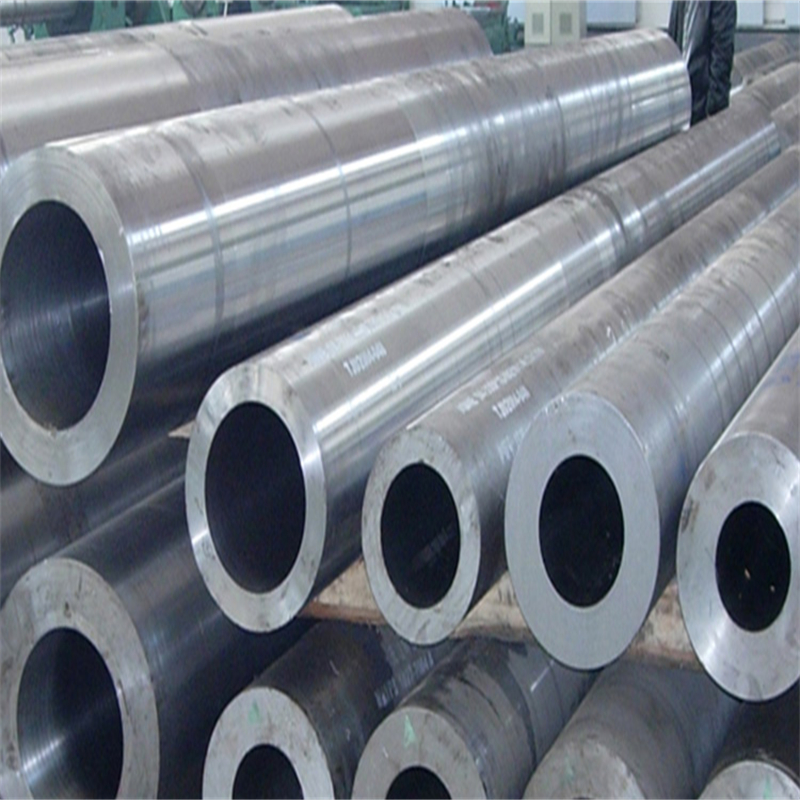
Uitstekende Korrosiebestandheid in Agressiewe Chemiese Omgewings
Hoe Chroom en Molibdeen Legeringspyp Korrosiebestandheid Verbeter
Wanneer chroom in aanraking kom met lug, vorm dit wat 'n passiewe oksiedlaag genoem word, wat as pantser teen korrosie vir metaalpype optree. Deur molibdeen by te voeg, word hierdie beskerming nog verder verbeter, veral wanneer dit by daardie lastige putte en barste kom wat in plekke vorm waar daar baie chloriede is, soos binne chemiese verwerkingsfasiliteite. Selfs klein hoeveelhede maak hier saak – ongeveer 2 tot 3 persent molibdeen wat in roestvrye staal gemeng word, kan korrosieprobleme met meer as die helfte verminder wanneer dit aan sure blootgestel word. Wat dan gebeur, is nogal opmerklik: hierdie spesiale legerings bly veel beter intact as gewone metale sou onder soortgelyke omstandighede, wat beteken hulle duur baie langer – soms dekades – terwyl chemikalieë dag na dag deur pyplyne vervoer word. En omdat hierdie materiale nie so maklik reageer met wat deur hulle beweeg nie, profiteer vervaardigers wat met sensitiewe produkte soos medisyne werk, grootliks van die verminderde risiko van kontaminasie tydens vervaardigingsprosesse.
Legeringspype teenoor Koolstofstaal: Prestasie in Suur- en Oksiderende Toestande
Koolstofstaal presteer swak in chemiese dienste: korrosietempo's oorskry 5 mm/jaar in verdunne swaelsuur en gaan verder as 10 mm/jaar in salpetersuur—wat die lewensduur tot minder as twee jaar beperk. In teenstelling, korrosiebestande legerings bied uitstekende duursaamheid:
| Materiaal | Korrosietempo (mm/jaar) | Lewensduur in HCl-diens |
|---|---|---|
| Koolstofstaal | >10 | <2 jaar |
| 316 Roestvry Staal | <0.1 | 15+ jaar |
| Dubbelspoelegerings | <0.05 | 25+ Jare |
Hierdie prestasieverskil word groter met oksiderende agente soos salpetersuur, waar koolstofstaal versnelde aanval ervaar terwyl chroom-nikkelleggings stabiele, beskermende films vorm. Hierdie verskil word krities by die vervoer van gevaarlike chemikalieë—waar selfs klein lekkasies ernstige omgewings-, veiligheids- en reguleringsgevolge kan hê.
Balansering van Koste en Prestasie: Wanneer Hoëprestasieleggings Oormatig Gespesifiseer Mag Wees
Molibdeen-ryke legerings en nikkelgebaseerde materiale bied beslis uitstekende beskerming teen korrosie, al is hulle gewoonlik baie duur, ongeveer 3 tot 5 keer die prys van koolstofstaal. Maar die uitgee van al daardie ekstra geld is nie altyd die moeite werd nie. Wanneer daar met vloeistowwe by neutrale pH, areas met lae chloriedinhoud, of toerusting by normale temperature gewerk word, werk goedkoper alternatiewe soos 304 roestvrye staal dikwels net so goed om roes te weerstaan. Voordat enige spesifieke metaal gekies word, moet ingenieurs regtig verskeie faktore oorweeg, insluitend watter chemikalieë deur die sisteem vloei, hoe warm dit tydens bedryf word, enige fisiese belastings, en hoe lank komponente aan hierdie toestande blootgestel sal word. Een groot chemiese fasiliteit het werklik ongeveer $1,2 miljoen per jaar bespaar nadat hulle van duur nikkellegerings oorgeskakel het na duplex roestvrye staalpype in hul matig suur oordragslyne. Die verandering het geen invloed op die prestasie gehad nie, terwyl dit koste aansienlik oor tyd verminder het.
Langtermyn Duursaamheid en Betroubaarheid in Aanhoudende Chemiese Verwerking
Bestand Teen Termiese Siklusse en Aanhoudende Chemiese Blootstelling
Legeringspype behou hul sterkte, selfs na ongetal termiese siklusse en langdurige blootstelling aan aggressiewe chemikalieë – iets wat gewone materiale vinnig sou laat verswak. Neem byvoorbeeld 316L roestvrye staal; dit kan termiese vermoeidheid hanteer by temperature bo 500 grade Celsius. Hierdie pype weerstaan ook swaelsuur-oplossings met konsentrasies van ongeveer 10%, en presteer betroubaar in omgewings met hoë chloriedvlakke sonder dat spanningkorrosiekrake ontwikkel. Wat maak hulle so duursaam? 'n Beskermende chroom-nikkel-oksiedlaag vorm vanself op die oppervlak, tesame met 'n eenvormige interne struktuur deur die materiaal. Hierdie kombinasie voorkom dat probleme soos verdun wandele of bros plekke mettertyd ontstaan. Bedryfsdata toon dat hierdie legeringspype ongeveer drie tot vyf keer langer as standaard koolstofstaalpype duur wanneer hulle chemikalieë vervoer. En volgens korrosie-ingenieurs wat hierdie materiale bestudeer, rapporteer fasiliteite wat legeringspypwerk gebruik ongeveer 40% minder onverwagse afsluitings tydens bedryf.
Versekeringsuiwerheid: Lae Kontaminasierisiko met Legeringpype
Legeringspype reageer nie chemies met wat deur hulle vloei nie, dus kom daar geen metaal in die vloeistowwe wat hulle vervoer nie. Dit is uiters belangrik wanneer dit by dinge soos farmaseutiese bestanddele, baie suiwer oplosmiddels of peroksiedoplossings kom, waar selfs klein hoeveelhede verontreiniging saak maak. Wanneer hierdie pype behoorlik gepassiveer is, bly die hoeveelheid yster wat migreer onder 0,01 mikrogram per vierkante sentimeter. Hierdie lae vlak voorkom ongewenste chemiese reaksies en handhaaf die pH binne ongeveer 0,1 eenhede oor lang afstande. Gewone plastiekpype kan nie hierdie tipe werk hanteer nie, omdat hulle organiese materiale absorbeer en afbreek tydens UV-steriliseringprosesse, wat leggingspype noodsaaklik maak vir enige fasiliteit wat huidige Goeie Vervaardigingspraktyke-standaarde moet nakom. Daarby veroorsaak hul gladde binnekant dat minder deeltjies opgewek word wanneer vloeistowwe teen hoë snelhede deur die sisteem beweeg. Minder deeltjies beteken 'n kleiner kans op verontreinigingsprobleme, iets wat volgens 'n onlangse studie van die Ponemon Institute uit 2023 elke keer ongeveer 740 duisend dollar aan maatskappye kos.
Hoë-Druk- en Hoë-Temperatuur Prestasie in Gevaarlike Vervoer
Legeringpypsterkte onder Ekstreme Toestande (tot 800°C en >10 MPa)
Wanneer standaardmateriaal begin afbreek onder ekstreme omstandighede, behou allooi-pype hul vorm en bevat druk waar ander sou misluk. Hierdie gespesialiseerde pype kan temperature naby 800 grade Celsius en drukke bo 10 megapascal hanteer sonder om te vervorm. Die sterkte-voordeel word nog duideliker wanneer een kyk na nikkelgebaseerde alloiees soos Inconel en duplex roestvrye staal. By ongeveer 500 grade Celsius toon hierdie materiale vloeisterktes wat twee tot drie keer groter is as gewone koolstofstaal, omdat hulle elemente soos chroom, molibdeen en stikstof in hul molekulêre struktuur insluit. Vir waterstoftransporttoepassings wat bo 70 MPa druk werk, bevestig toetse wat in die Journal of Energy Storage gepubliseer is dat allooi-pype 'n beheerbaarheid van 98% bereik, vergeleke met slegs 82% vir koolstofstaal-teenoorgesteldes. Hierdie tipe duursaamheid maak alles van die verskil in die voorkoming van ernstige mislukkings soos termiese vermoeidheidsbarsings, spanningskorrosie-barsings in suur omgewings, en waterstofverbrosingsprobleme wat baie industriële prosesse met gevaarlike stowwe pla.
Werklike Toepassings: Legeringpype in Kritieke Chemiese Stelsels
Gevallestudie: Duplexroestvryepyp in Chloorvervoerinfrastruktuur
Die vervoer van chloor bly een van die grootste uitdagings wat chemiese ingenieurs te wagte is, omdat hierdie element so aggressief reageer en met tyd ernstige spanningkorrosieprobleme kan veroorsaak. Duplex roestvrye staalpype het 'n spesiale mengsel van austenitiese en ferrietiese strukture wat hulle uitstekend maak in die weerstand teen skade deur chloriede. Wanneer dit in chloorvervoersisteme gebruik word wat onder 'n druk van meer as 5 MPa werk, bly hierdie legeringpype jare lank volledig lekvry terwyl dit die vervoerde materiaal suiwer hou. Die sterkte van hierdie materiale hanteer alle temperatuurveranderings wat plaasvind tydens laai en aflaai, wat beteken dat daar minder onverwagse foute is. Vervaardigers verloor gewoonlik ongeveer $740 000 per jaar as gevolg van onbeplande afsluitings, volgens navorsing deur die Ponemon Institute uit 2023. Hierdie pype benodig veel minder gereelde instandhouding as alternatiewe en kan soms meer as 20 jaar sonder probleme hou. Die keuse van die regte legerings soos duplex roestvrye staal maak bedrywighede nie net veiliger nie, maar bespaar ook geld oor die volledige lewensduur van die toerusting.
VEE
Wat laat legeringspype bestand teen korrosie in aggressiewe omgewings wees?
Legeringspype, veral dié wat chroom en molibdeen bevat, vorm 'n beskermende oksiedlaag wat teen korrosie beskerm. Chroom help om 'n passiewe laag te vorm, terwyl molibdeen addisionele beskerming voeg, veral in omgewings met hoë chloriedgehalte.
Hoe verrig legeringspype in vergelyking met koolstofstaal in suurtoestande?
Legeringspype presteer beter as koolstofstaal in suuromgewings. Terwyl koolstofstaal byvoorbeeld kan korrodeer teen tempo's van meer as 10 mm/jaar in salpetersuur, het legerings soos 316 roestvrye staal korrosietempo's van minder as 0,1 mm/jaar, wat hul lewensduur aansienlik verleng.
Is hoë-end legerings altyd nodig vir chemiese prosesseringstelsels?
Nee, hoë-end legerings is nie altyd nodig nie. In minder aggressiewe omgewings of waar koste 'n kwessie is, kan meer bekostigbare opsies soos 304 roestvrye staal volstaan. Ingenieurs moet die spesifieke toestande, insluitend chemiese blootstelling en temperatuur, evalueer om die geskikte materiaal te bepaal.
Hoekom word legeringspype verkies vir die oordrag van farmaseutiese produkte en suiwer oplosmiddels?
Legeringspype reageer nie met die vloeistowwe wat hulle vervoer nie, wat die risiko van besmetting verminder. Hulle is noodsaaklik in farmaseutiese en sensitiewe chemiese toepassings as gevolg van hul lae migrasie van metaalione en stabiele pH-handhawing oor afstande.