
 EN
EN

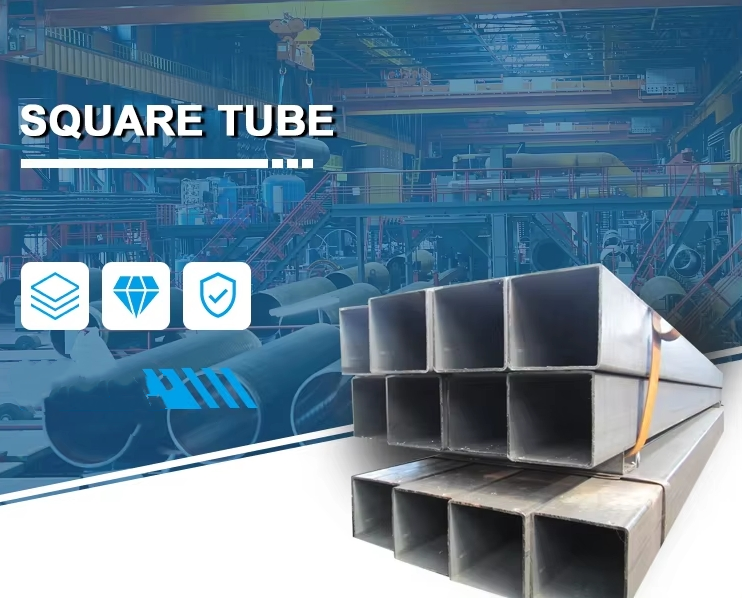
Правоъгълна тръба в рамни конструкции и носещи системи
Високопрочни рамни конструкции за ниски търговски и индустриални сгради
Квадратните тръби предлагат доста добра структурна якост за сгради, които не са твърде високи, тъй като разпределят напрежението равномерно по повърхностите си. Самата форма е буквално перфектен квадрат, който според компютърните модели, използвани от инженерите, противодейства на усукващите сили около 34 процента по-ефективно в сравнение с обикновените правоъгълни тръби. Освен това тези тръби запазват своята огъваемост независимо от посоката, от която идва налягането. Затова много складове ги използват като основни опорни колони, а магазини строят своите рамки около тях. Индустриални помещения с големи открити площи имат особена полза, тъй като няма нужда от прекалено много вътрешни подпори, които пречат. При сравнение с алтернативи като масивни стоманени греди, квадратните тръби всъщност тежат около 18% по-малко, но все пак издържат добре при подобни натоварвания. Това означава по-леки фундаменти и по-ниски разходи за материали като цяло при строителни проекти.
Оптимизирана ефективност на връзките: болтови и заваръчни съединения с квадратни тръби
Квадратните тръби имат четирите равни страни, които значително улесняват и ускоряват свързването на елементи по време на производствени работи. Когато става въпрос за заваряване, ефективността се увеличава с около 20–25% в сравнение с кръгли тръби, тъй като повърхностите остават в по-добър контакт и топлината се разпределя по-равномерно по тях. Забележима е разликата и при болтови връзки – проектите изискват приблизително с 30% по-малко болтове и части в сравнение с традиционни I-греди. Това се дължи основно на стандартните ъгли на квадратните тръби, които позволяват болтовете да се монтират от няколко посоки без затруднения. Индустрията е разработила предварително изработени възлови системи, специално предназначени за геометрията на квадратни тръби, които според строителни проучвания намаляват времето за работа по връзките с около 40%. Затова все повече строители считат квадратните тръби за задължителни за бързите си монтажни процеси, където всеки минута има значение.
Съпротива срещу странично натоварване: квадратна тръба срещу кръгла и правоъгълна тръба
Квадратните тръби осигуряват по-добра устойчивост срещу вятър и сеизмични сили поради симетрията и равномерното разпределение на натоварването. Четирите им равнинни повърхности позволяват балансиран пренос на срязващи сили и елиминират насочената слабост, присъстваща при правоъгълните профили.
| Тип на товар | Квадратна тръба | Кръгла тръба | Прягова тръбa |
|---|---|---|---|
| Съпротивление на срязване | 96 MPa | 72 MPa | 84 Мпа |
| Съединителни точки | 4 | 1 | 2 |
Тази конфигурация осигурява с 28% по-голяма устойчивост срещу накланяне в сравнение с правоъгълната тръба, значително намалявайки риска от деформация извън равнината при странично напрежение. За разлика от едноплоскостните правоъгълни връзки, съединенията с квадратни тръби разпределят силите равномерно по всички четири страни – елиминирайки локализираните концентрации на напрежение и подобрявайки дългосрочната надеждност на системата.
Квадратна тръба за модулно и префабрикирано строителство
Стандартизирана сглобка въз основа на възли, осигуряваща прецизно производство извън строителната площадка
Квадратните тръби имат изключително важно значение при съвременните модулни строителни методи, тъй като запазват постоянни размери и предсказуемо поведение, когато се произвеждат в контролирани условия в заводи. Правилната форма позволява създаването на стандартни точки за свързване между компонентите, което осигурява изключително прецизна сглобка още преди материалите да достигнат строителната площадка. Тези тръби също така отлично работят с BIM системи, използвани по целия дизайн процес. В сравнение с нееднородни или асиметрични форми, проекти, използващи квадратни тръби, генерират около 12% по-малко отпадъци на самото строително място. Освен това инженерите могат да проверяват структурната цялост още по време на производството, вместо да чакат материалите да пристигнат на площадката, което намалява скъпите последноминутни поправки, които винаги изникват.
По-бързо монтажно изграждане: постоянство в размерите и 30% спестяване на време спрямо алтернативите с I-греди
Вродената размерна стабилност на квадратните тръби осигурява монтиране по принципа „включи и работи“. За разлика от I-гредите, изискващи персонализирани скоби и прецизна ориентация, квадратните профили позволяват еднакви, взаимозаменяеми връзки от всяка страна — което опростява кранови дейности, проверки за подравняване и последователност. Според стандарти за модулно строителство (2023) времето за монтаж се съкращава с 30%, благодарение на:
- Премахване на проверките за ориентация на напречното сечение
- Взаимозаменяеми компоненти, които намаляват логистиката, специфична за отделни части
- Балансирано разпределение на масата, което подобрява безопасното и бързо вдигане
Таблица: Сравнение на ефективността при монтаж
| Метрика | Квадратна тръба | Традиционна I-греда |
|---|---|---|
| Съединителни точки | 4 на връзка | 2 на връзка |
| Среден монтаж | 8 минути | 14 мин |
| Толерантност | ±1.5mm | ±5mm |
Проектите с използване на предварително изработени рамки от квадратни тръби постигат водонепроницаемо затваряне с 3–4 седмици по-рано в сравнение с конвенционалните стоманени конструкции. Стандартизираният процес също намалява нуждата от високоспециализирана работна ръка с 25% по време на монтажните фази – което подобрява мащабируемостта и гъвкавостта на работната сила.
Архитектурен израз: Квадратна тръба във фасади и интериорни конструкции
Открита квадратна тръба като минималистична структурна естетика в съвременната архитектура
Квадратната тръба съчетава инженерна функционалност с елегантен дизайн по начин, който малко материали могат да надминат. Прецизната геометрия, остри ъгли и равномерни размери отличават тези тръби, когато се използват като видими конструктивни елементи. Помислете за конзолите на навеси над входовете на магазини, драматичните спираловидни стълби в съвременни сгради или дори стилните стъклени перила по балкони и пътеки. Когато архитектите решат да оставят квадратните тръби открити, вместо да ги скриват зад панели или стени, те отправят послание за прозрачност и занаятчийско майсторство. Този подход помага за ясно пространствено разделяне, без да добавя излишно визуално шум в помещението. Много дизайнери също намират креативни начини за работа с квадратни тръби – вграждане на LED ленти в профила им, прилагане на специални прахови покрития или използване на компютърно моделиране за създаване на сложни модели. Това, което започва като чисто функционален елемент, се превръща в нещо много по-интересно в пространства, вариращи от рецепции в офиси до музейни експонати и луксозни жилищни проекти.
Функционални вторични приложения на квадратна тръба
Квадратните тръби вършат много повече от просто свързване на елементи структурно. Те изпълняват важни второстепенни функции в много различни индустрии, тъй като предлагат голяма якост при сравнително лека маса, последователни размери и лесота при обработка по време на производство. Виждаме ги навсякъде в търговски пространства днес. Търговските магазини ги използват като основи за дисплеи, които могат бързо да се пренареждат. Ресторантите разчитат на тях за маси и столове, които често се променят. Системите за съхранение също се възползват от техните свойства, особено когато са комбинирани с онези специални модулни съединители, които позволяват на работниците да сглобяват неща без нужда от инструменти. Производителите на коли всъщност започнаха да изискват квадратни тръби за части като рамки на врати и части от автомобилната рама. При автомобилни катастрофи тези тръби се деформират по предвидим начин, което помага за защита на хората вътре. На производствени площи квадратните тръби служат отлично като огради около опасни машини, формират рамките на предавателни ленти и създават здрави рафтове за съхранение на оборудване. Фактът, че запазват постоянни размери, прави ремонта и модернизацията на машини значително по-лесни с течение на времето. Дори архитектите оценяват квадратните тръби за строителство на оранжерии, поддържане на табели пред сгради и създаване на прости вътрешни стени между помещения. Независимо дали разглеждаме изисквания за производителност, нужда от гъвкавост или изцяло визуални съображения, квадратните тръби изглежда отговарят на нуждите в най-различни приложения.
ЧЗВ
Какви са основните предимства на използването на квадратни тръби в строителството?
Квадратните тръби осигуряват отлична структурна якост, устойчиви са на усукване и са по-леки от масивни стоманени греди, което позволява по-икономично строителство и по-малко претрупаност в откритите пространства.
Как квадратните тръби подобряват ефективността при връзките?
Равните страни на квадратните тръби правят заварката и болтовите връзки по-ефективни, намалявайки времето за работа и материалните разходи при строителството.
Защо квадратните тръби се предпочитат за устойчивост на странични натоварвания?
Симетричната им форма осигурява превъзходна устойчивост към вятъра и земетресения, като елиминира насочените слабости, присъстващи при други профили.
Как квадратните тръби допринасят за модулно и предварително изработено строителство?
Те позволяват прецизно производство извън площадката и по-бързо монтиране на площадката поради стандартизираните си размери и инсталиране по тип 'плъг-енд-плей'.
По какви творчески начини се използват квадратни тръби в архитектурните проекти?
Квадратните тръби се използват за създаване на минималистична структурна естетика, като открити конструкции, и често се комбинират с други дизайнерски елементи, като LED осветление или уникални покрития.
Съдържание
- Правоъгълна тръба в рамни конструкции и носещи системи
- Квадратна тръба за модулно и префабрикирано строителство
- Архитектурен израз: Квадратна тръба във фасади и интериорни конструкции
- Функционални вторични приложения на квадратна тръба
-
ЧЗВ
- Какви са основните предимства на използването на квадратни тръби в строителството?
- Как квадратните тръби подобряват ефективността при връзките?
- Защо квадратните тръби се предпочитат за устойчивост на странични натоварвания?
- Как квадратните тръби допринасят за модулно и предварително изработено строителство?
- По какви творчески начини се използват квадратни тръби в архитектурните проекти?